Chronic Jaw Pain Explained and Treated
Chronic jaw pain is a persistent and often exhausting condition that can affect daily comfort, sleep, concentration and quality of life. Unlike occasional jaw discomfort, chronic jaw pain lasts for weeks, months or even years and often becomes part of everyday life. Many people learn to tolerate the pain rather than understanding why it is happening or how it can be treated effectively.
Chronic jaw pain is rarely caused by a single issue. It usually develops gradually as muscle tension, clenching habits and jaw dysfunction place ongoing strain on the jaw and temporomandibular joint. Understanding the underlying causes of chronic jaw pain is essential for long term relief rather than temporary symptom management.
Signs You Need Specialist Support
Symptoms of TMJ dysfunction can vary, but they all stem from the same root cause: an imbalance in the complex relationship between your jaw joint and muscles.

Persistent Pain: Aching in the jaw, ear, or side of the face
Headaches: Chronic tension headaches or migraines, often worse in the morning
Restricted Movement: Stiffness, locking, or difficulty opening your mouth fully
Teeth Grinding: Clenching (Bruxism) due to stress or habit, leading to sore muscles
Neck & Shoulder Tension: Pain that radiates down from the jaw into the upper body
Specialised TMJ Treatment in Cornwall
What Is Chronic Jaw Pain?
Chronic jaw pain refers to jaw discomfort that persists beyond the normal healing timeframe. Pain may be constant or fluctuate in intensity, but it does not fully resolve on its own.
Chronic jaw pain may present as aching, tightness, stiffness or soreness around the jaw joint or muscles. It may worsen with eating, speaking, yawning or during periods of stress. Over time, persistent pain can affect confidence, posture and emotional wellbeing.
Because the jaw is used constantly, even low level pain can become draining when it is ongoing.

Common Symptoms Associated with Chronic Jaw Pain
Chronic jaw pain is often accompanied by additional symptoms that point to underlying dysfunction.
Common symptoms include jaw stiffness or restricted movement, facial pain or facial tension, tension headaches, teeth grinding or clenching, soreness in the jaw muscles, pain around the jaw joint, ear discomfort or pressure, and neck or shoulder tension.
These symptoms may vary from day to day, making it difficult to identify a clear cause without specialist assessment.
Why Jaw Pain Becomes Chronic
Jaw pain becomes chronic when the underlying cause is not addressed. Muscle tension, clenching habits and movement imbalances can continue for months or years without intervention.
Stress plays a significant role by increasing jaw muscle activity and reducing the body’s ability to relax. Teeth grinding during sleep keeps jaw muscles working when they should be resting. Poor posture alters head and neck alignment, placing additional strain on the jaw.
When these factors persist, the jaw muscles remain overworked and pain becomes ongoing rather than resolving naturally.
Chronic Jaw Pain and TMJ Dysfunction
Chronic jaw pain is commonly linked to temporomandibular joint dysfunction. TMJ dysfunction involves imbalance or tension in the muscles that control jaw movement, placing strain on the joint.
When muscle based TMJ dysfunction is left untreated, jaw pain can become persistent and resistant to short term treatments. Addressing TMJ dysfunction is therefore a key part of managing chronic jaw pain effectively.

Teeth Grinding and Long Term Jaw Pain
Teeth grinding and clenching are major contributors to chronic jaw pain. Grinding places excessive and repetitive load on the jaw muscles and joint, often during sleep.
Over time, this constant muscle activity leads to fatigue, soreness and stiffness that do not fully resolve. Many people with chronic jaw pain report morning stiffness or headaches linked to night time grinding.
Reducing muscle tension caused by grinding is essential for long term relief.
Stress and Emotional Tension in Chronic Jaw Pain
Stress often plays a central role in chronic jaw pain. Emotional stress commonly manifests physically through jaw clenching and facial tension.
When stress levels remain high, jaw muscles struggle to relax even during rest. This ongoing muscle tension contributes to persistent pain and stiffness that can be difficult to manage without targeted treatment.
Recognising the stress jaw connection is an important step towards effective care.

How TMJ Massage Therapy Helps Chronic Jaw Pain
Emmet’s approach towards TMJ pain is unique as she assesses the patient's posture which often reveals the root cause of the issue. This means that no two treatment plans are the same. Each plan is uniquely tailored to the individual's needs and helps to relieve the patient of pain.
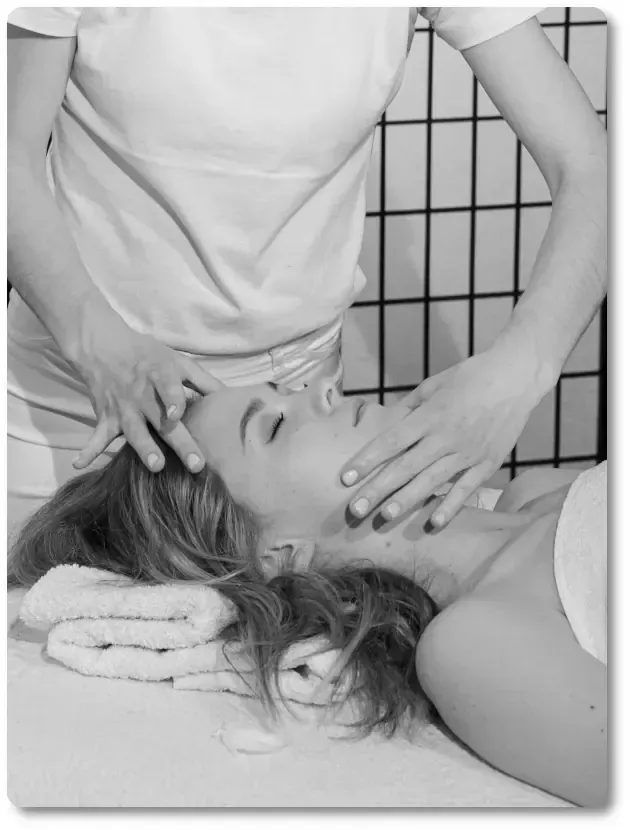
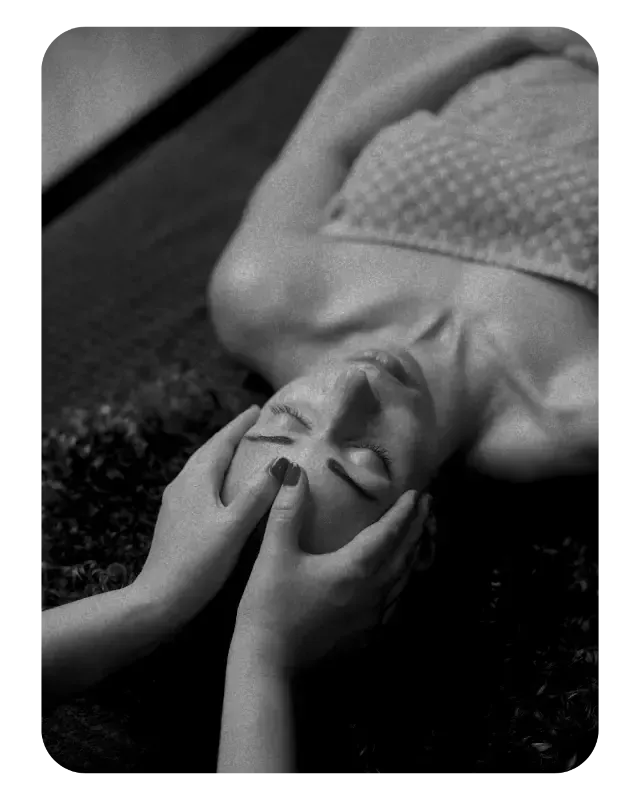
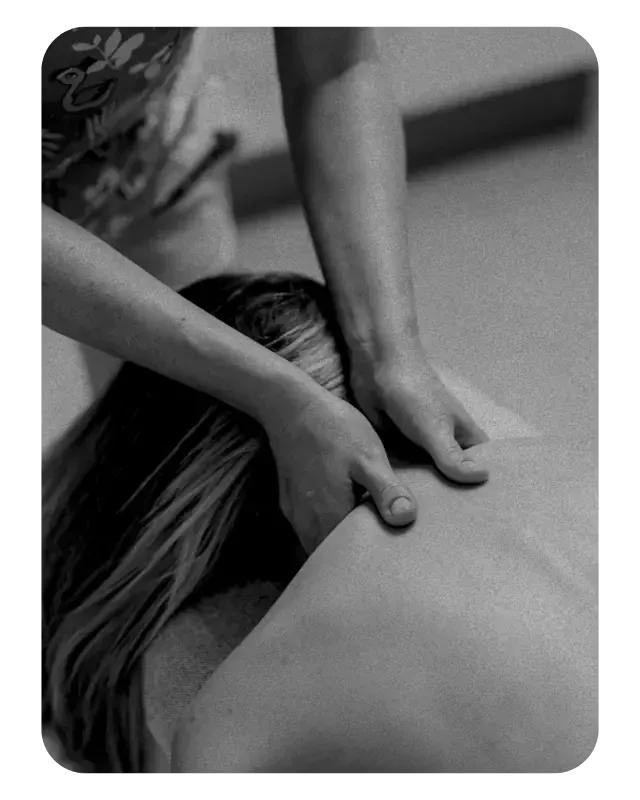
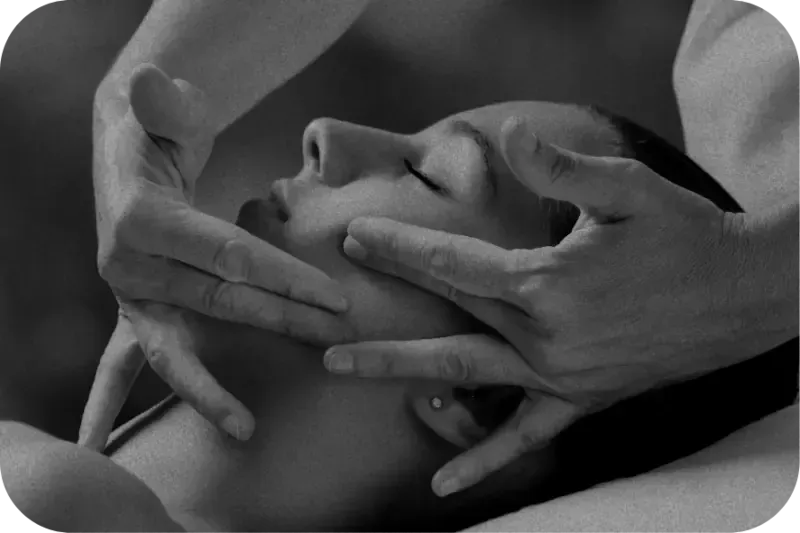
TMJ massage therapy focuses on releasing tension in the muscles responsible for jaw movement. By reducing muscle tightness, strain on the temporomandibular joint is eased and pain can gradually reduce.
Massage therapy improves circulation, supports muscle recovery and restores flexibility to overworked muscles. When delivered by a practitioner with specialist knowledge of jaw anatomy, it directly addresses the muscular causes of chronic jaw pain rather than masking symptoms.
TMJ massage therapy works gently and progressively, supporting long term improvement.
Why Specialist Knowledge Is Essential
Chronic jaw pain often involves complex patterns of muscle tension and dysfunction. Treating it effectively requires detailed understanding of jaw anatomy and movement.
With over 20 years of experience in dentistry, Emmett Hawkins brings clinical insight to TMJ massage therapy. This background ensures treatment is delivered safely and accurately, with a clear understanding of how the jaw joint and muscles interact.
Specialist care is particularly important for people whose pain has persisted despite previous treatment attempts.

Managing Chronic Jaw Pain Long Term
Managing chronic jaw pain requires a long term approach rather than a quick fix. Reducing muscle tension is the first step, but preventing pain from returning is equally important.
Massage therapy may be combined with education around jaw awareness, posture and clenching habits. Small changes such as noticing when the jaw is tense or improving posture can significantly reduce ongoing strain.
Consistency and awareness are key to maintaining progress.
When to Seek Help for Chronic Jaw Pain
If jaw pain has persisted for weeks or months, seeking specialist care can help prevent symptoms from becoming more entrenched. Chronic pain often responds better to treatment when addressed sooner rather than later.
Jaw pain does not need to be accepted as a permanent part of life.
How Does This Affect You?
Living with chronic jaw pain can be physically and emotionally draining. Understanding why the pain persists allows you to move towards treatment that addresses the cause rather than managing discomfort alone.
With specialist TMJ care, reduced pain, improved comfort and better quality of life are achievable.
Frequently Asked Questions About Chronic Jaw Pain
What causes chronic jaw pain?
Chronic jaw pain is commonly caused by muscle tension, teeth grinding, stress, TMJ dysfunction and posture issues.
Why does my jaw pain keep coming back?
Recurring pain usually means the underlying muscle tension or dysfunction has not been addressed.
Can chronic jaw pain cause headaches?
Yes. Jaw muscle tension often refers pain into the head and causes tension headaches..
Is chronic jaw pain linked to TMJ dysfunction?
Very often. TMJ dysfunction is a common cause of persistent jaw pain.
Can massage therapy help chronic jaw pain?
Specialised TMJ massage therapy can reduce muscle tension and support long term improvement.
Will chronic jaw pain go away on its own?
It may fluctuate, but persistent pain often requires treatment for lasting relief.
When should I seek specialist TMJ care?
If pain persists, worsens or affects daily life, specialist TMJ care is recommended.
Book Your Free Consultation
A no-pressure opportunity to discuss your symptoms and find the right path to relief.
Get In Touch
Email: [email protected]
Address
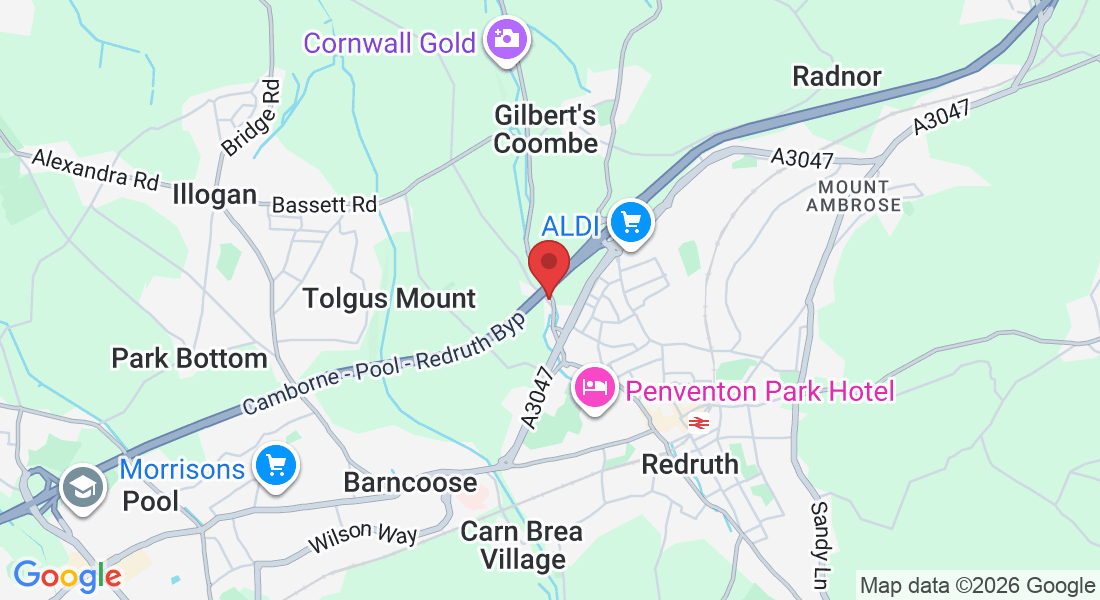
Business Park, Unit B Jenns, New Portreath Rd, Redruth TR16 4GB
Hours
Mon 3-9
Some Tuesday and Friday 9 - 3
Phone Number:
07810 697 848