TMJ Jaw Exercises Explained
TMJ jaw exercises are often recommended to support recovery from jaw pain, stiffness and temporomandibular joint dysfunction. When used correctly, exercises can help improve jaw movement, reduce muscle tension and support the effectiveness of hands on treatment such as TMJ massage therapy.
However, TMJ jaw exercises must be approached carefully. The jaw is a complex and sensitive joint, and performing the wrong exercises or doing them incorrectly can increase symptoms rather than relieve them. Understanding when exercises are helpful and how they fit into overall TMJ treatment is essential for safe and effective progress.
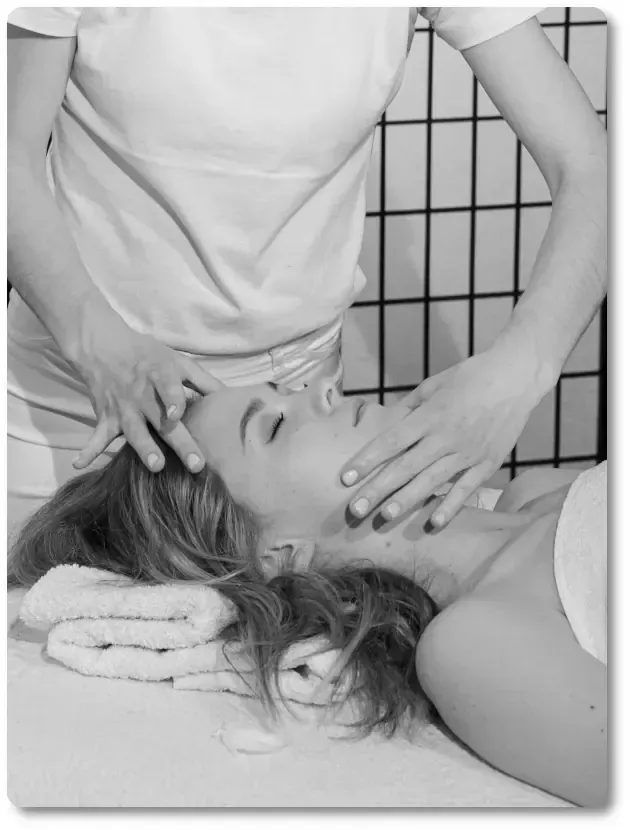
Signs You Need Specialist Support
Symptoms of TMJ dysfunction can vary, but they all stem from the same root cause: an imbalance in the complex relationship between your jaw joint and muscles.

Persistent Pain: Aching in the jaw, ear, or side of the face
Headaches: Chronic tension headaches or migraines, often worse in the morning
Restricted Movement: Stiffness, locking, or difficulty opening your mouth fully
Teeth Grinding: Clenching (Bruxism) due to stress or habit, leading to sore muscles
Neck & Shoulder Tension: Pain that radiates down from the jaw into the upper body
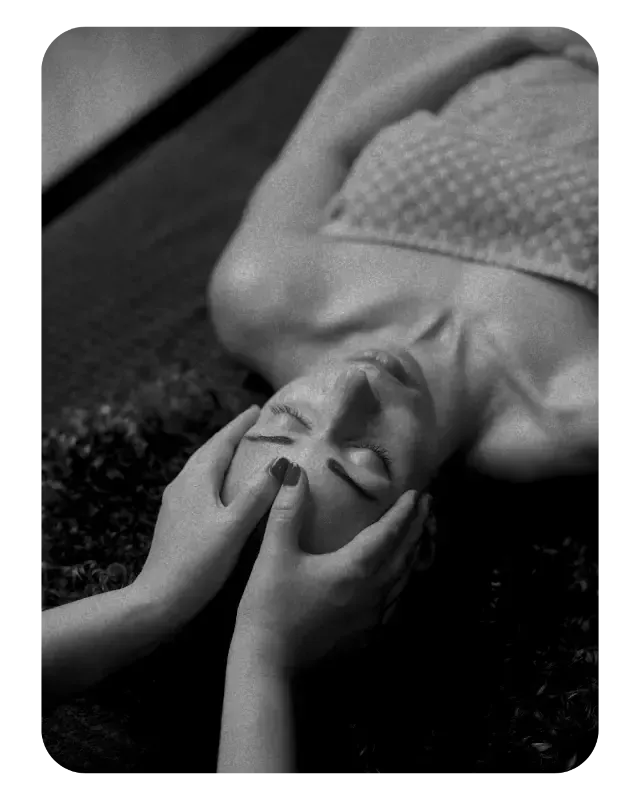
Specialised TMJ Treatment in Cornwall
What Are TMJ Jaw Exercises?
TMJ jaw exercises are gentle movements designed to improve jaw mobility, coordination and muscle balance. They focus on helping the jaw open, close and move smoothly without pain or restriction.
These exercises are not about forcing the jaw or stretching aggressively. Instead, they aim to restore comfortable movement patterns and reduce muscle guarding that develops with TMJ dysfunction.
When guided appropriately, TMJ jaw exercises can complement manual therapy and help maintain improvements between treatment sessions.

When TMJ Jaw Exercises Are Helpful
TMJ jaw exercises are most helpful once acute pain and muscle tension have begun to settle. In many cases, attempting exercises while the jaw is highly inflamed or tense can aggravate symptoms.
Exercises may be beneficial for people experiencing jaw stiffness, restricted movement, mild discomfort during opening or closing, muscle fatigue, or a feeling that the jaw does not move smoothly.
They are particularly useful when combined with treatment that addresses muscle tension first.
When TMJ Jaw Exercises Are Not Appropriate
TMJ jaw exercises are not always suitable in the early stages of TMJ dysfunction. When pain is severe, movement is highly restricted or muscles are very tight, exercises may place additional strain on the jaw.
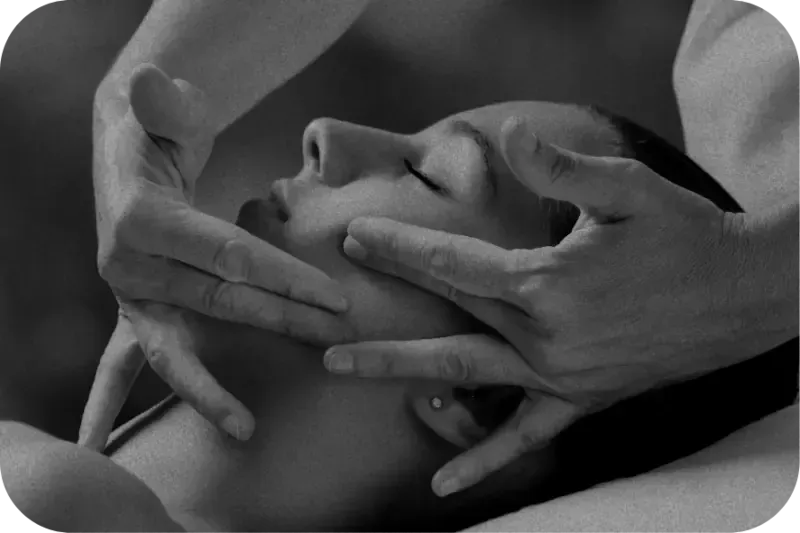
In these cases, focusing on reducing muscle tension through specialist TMJ massage therapy is often more effective before introducing exercises. This helps ensure that movement work supports recovery rather than causing flare ups.
Guidance from a specialist helps determine the right timing.
The Role of Muscle Tension in TMJ Dysfunction
Most TMJ dysfunction is driven by muscle tension rather than joint damage. Tight jaw muscles restrict movement and alter how the jaw functions.
If muscle tension is not addressed first, exercises may reinforce poor movement patterns. This is why muscle based treatment is central to TMJ care and why exercises should be introduced carefully and progressively.
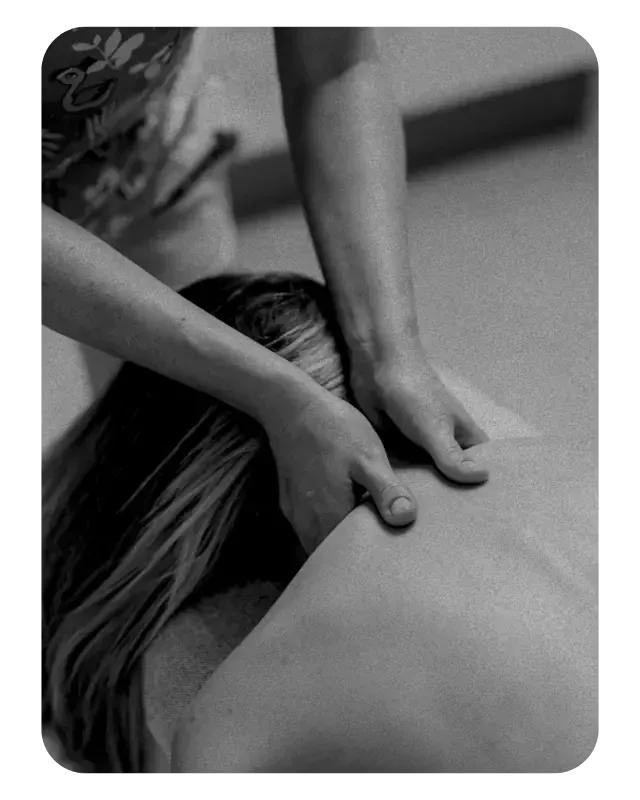
Emmett also utilises her vast experience by looking at the posture of each individual. This means that each treatment plan is always tailored to the needs of each individual.

How TMJ Jaw Exercises Support Treatment
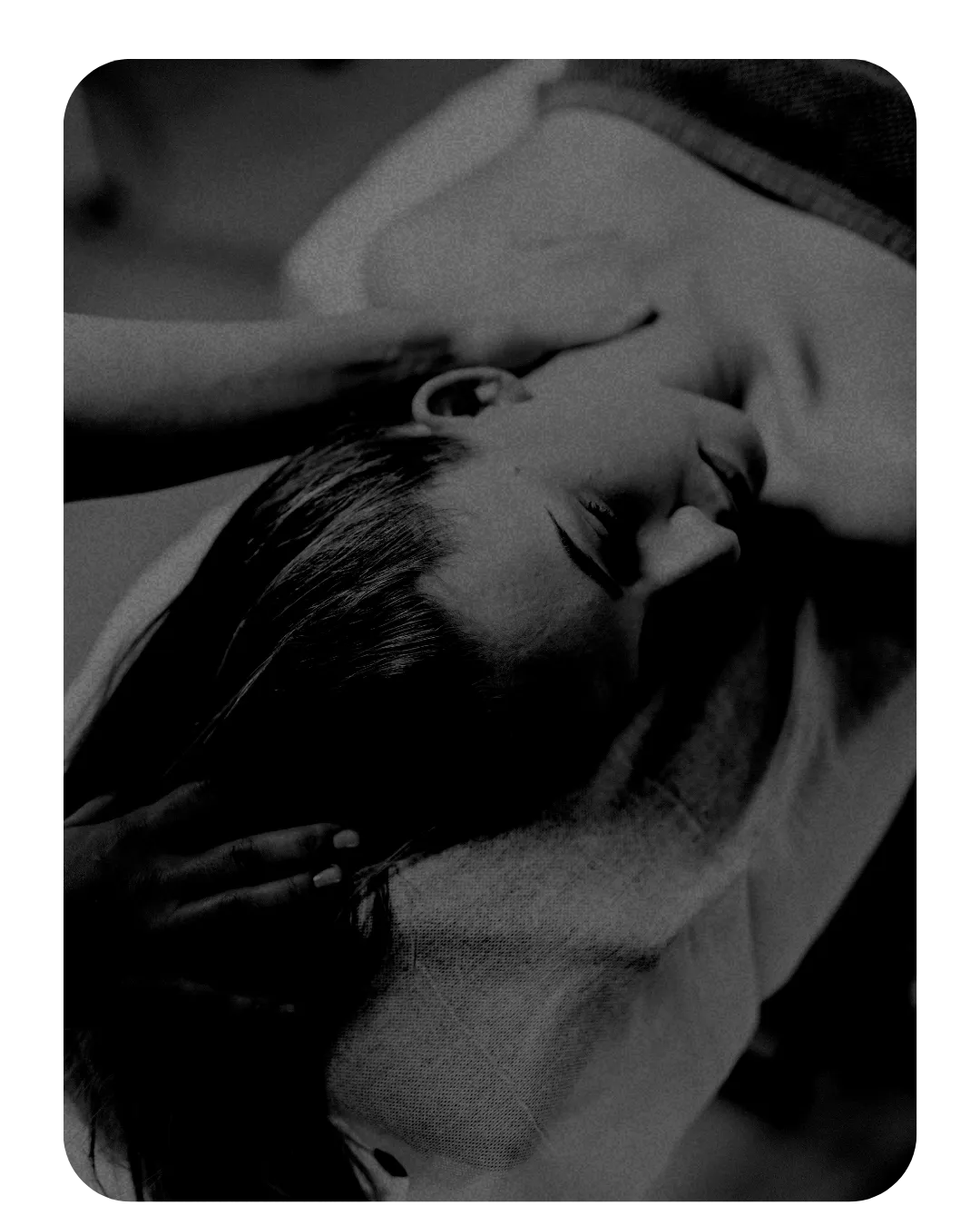
When used at the right stage, TMJ jaw exercises help maintain muscle flexibility and reinforce healthy movement patterns. They support the work done during massage therapy by encouraging the jaw to move comfortably within its natural range.
Exercises can also increase awareness of jaw habits such as clenching and holding tension. This awareness plays an important role in long term improvement.
TMJ jaw exercises are not a standalone solution but part of a broader treatment approach.
Common Types of TMJ Jaw Exercises
TMJ jaw exercises may include controlled opening and closing movements, gentle side to side movements, coordination exercises that focus on smooth motion, and relaxation based exercises that encourage the jaw to release tension.
All exercises should be slow, controlled and pain free. Any increase in pain or discomfort is a sign to stop and seek guidance.
Exercises should always feel supportive rather than forced.

Jaw Exercises and Restricted Jaw Movement
Restricted jaw movement is a common symptom of TMJ dysfunction. Exercises can help restore movement once muscle tension has been reduced.
By gradually encouraging the jaw to move within a comfortable range, exercises help prevent stiffness from returning and support confidence in jaw movement.
Progress should be gradual and tailored to individual needs.
Jaw Exercises for Jaw Stiffness
Jaw stiffness often improves with a combination of manual therapy and gentle exercises. Exercises help prevent muscles from tightening again between sessions.
Consistency is more important than intensity. Short, gentle exercise routines performed regularly are more effective than occasional forceful movements.

Jaw Exercises and Teeth Grinding
Jaw exercises can support people who grind or clench their teeth by improving jaw awareness and relaxation. However, exercises alone will not stop teeth grinding.
Reducing muscle tension through TMJ massage therapy is essential before exercises can be effective. Exercises then help maintain a more relaxed jaw position during the day.
Why Specialist Guidance Matters
Because the jaw is complex and symptoms vary, TMJ jaw exercises should not be generic or copied from online sources without guidance. Exercises that help one person may aggravate another.
With over 20 years of experience in dentistry, Emmett Hawkins understands how the jaw functions clinically and therapeutically. This specialist knowledge ensures that any exercises recommended support recovery rather than increasing strain.
Personalised guidance is key to safe progress.
TMJ Jaw Exercises as Part of Long Term Management
TMJ dysfunction often requires ongoing management rather than a one off solution. Jaw exercises can play a role in maintaining progress once pain and tension are under control.
Combined with awareness of posture, stress and clenching habits, exercises help support long term jaw health.
The goal is not perfection but improved comfort and confidence in movement.
When to Seek Help Before Doing Jaw Exercises
If jaw pain, stiffness or headaches are persistent or worsening, seeking specialist care before starting exercises is recommended. Professional assessment helps identify whether exercises are appropriate and which approach is safest.
Attempting exercises without addressing muscle tension can delay recovery.
How Does This Affect You?
TMJ jaw exercises can be helpful when used at the right time and in the right way. Understanding their role within a broader treatment plan allows you to support recovery safely rather than risking setbacks.
With specialist care and guidance, improved jaw movement and reduced discomfort are achievable.
Frequently Asked Questions About TMJ Jaw Exercises
Are TMJ jaw exercises safe?
They can be safe when guided properly and performed without pain.
Can exercises cure TMJ dysfunction?
Exercises support treatment but do not address muscle tension on their own.
Should I do jaw exercises if my jaw is very painful?
It is usually better to reduce muscle tension first before starting exercises.
How often should TMJ jaw exercises be done?
Gentle exercises performed regularly are more effective than infrequent sessions.
Can jaw exercises help jaw stiffness?
Yes, when introduced at the right stage of treatment.
Can exercises stop teeth grinding?
They can improve awareness but muscle based treatment is essential.
When should I seek specialist care?
If symptoms persist, worsen or exercises cause pain, specialist TMJ care is recommended.
Book Your Free Consultation
A no-pressure opportunity to discuss your symptoms and find the right path to relief.
Get In Touch
Email: [email protected]
Address
Business Park, Unit B Jenns, New Portreath Rd, Redruth TR16 4GB
Hours
Mon 3-9
Some Tuesday and Friday 9 - 3
Phone Number:
07810 697 848