What Is the Temporomandibular Joint?
The temporomandibular joint is one of the most important and complex joints in the human body. It plays a vital role in everyday actions such as speaking, chewing, swallowing and yawning. Despite how often it is used, many people are unaware of the temporomandibular joint until pain, stiffness or dysfunction develops.
Understanding what the temporomandibular joint is and how it works helps explain why jaw pain, headaches and facial tension are so common. Problems affecting this joint can significantly impact comfort and quality of life, particularly when symptoms are left untreated.
Signs You Need Specialist Support
Symptoms of TMJ dysfunction can vary, but they all stem from the same root cause: an imbalance in the complex relationship between your jaw joint and muscles.

Persistent Pain: Aching in the jaw, ear, or side of the face
Headaches: Chronic tension headaches or migraines, often worse in the morning
Restricted Movement: Stiffness, locking, or difficulty opening your mouth fully
Teeth Grinding: Clenching (Bruxism) due to stress or habit, leading to sore muscles
Neck & Shoulder Tension: Pain that radiates down from the jaw into the upper body
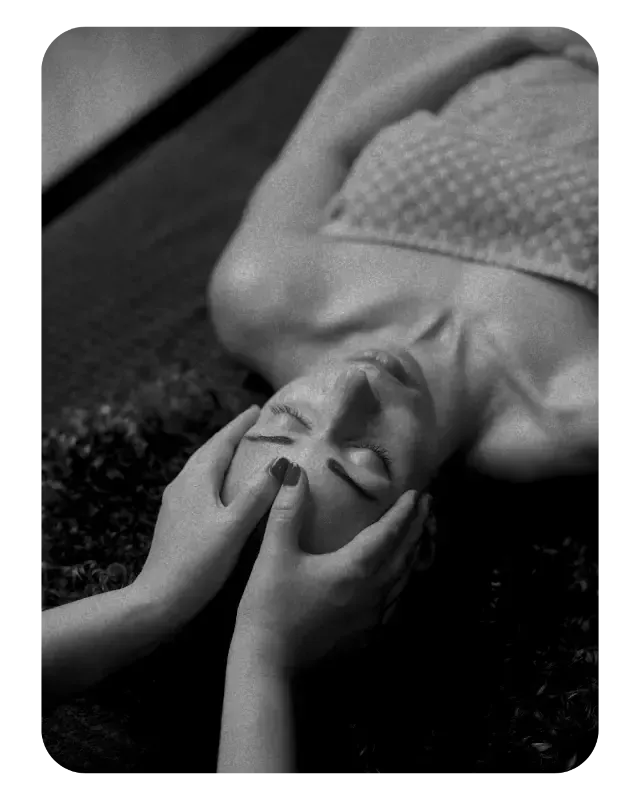
Specialised TMJ Treatment in Cornwall
Temporomandibular Joint Definition
The temporomandibular joint is the joint that connects the lower jaw to the skull. It is located just in front of each ear and works on both sides of the face together to allow smooth jaw movement.
Unlike simpler joints, the temporomandibular joint allows both hinging and sliding movements. This unique design enables complex actions such as chewing food, forming words and opening the mouth widely. Because of this complexity, the joint relies heavily on healthy muscle function and precise coordination.

Where Is the Temporomandibular Joint Located?
Each temporomandibular joint sits on either side of the head, where the lower jaw meets the base of the skull. You can often feel the joint move by placing your fingers just in front of your ears while opening and closing your mouth.
Both joints must work together for comfortable jaw movement. If one side becomes restricted or strained, it can affect how the jaw moves as a whole and lead to uneven pressure and discomfort.
How the Temporomandibular Joint Works
The temporomandibular joint functions through a combination of bone, cartilage and muscle activity. Muscles control how the jaw opens, closes and moves from side to side. These movements must be smooth and coordinated for the joint to work properly.
When jaw muscles are relaxed and balanced, the joint moves freely. When muscles become tight, fatigued or imbalanced, the joint can become strained. This often leads to pain, stiffness or restricted movement.
Because the jaw is used frequently throughout the day, even small imbalances can have a significant effect over time.
Why the Temporomandibular Joint Is So Prone to Problems
The temporomandibular joint is particularly vulnerable to dysfunction because of how often it is used and how closely it is linked to muscle tension.
Stress often causes people to clench their jaw or grind their teeth, increasing muscle workload. Poor posture alters head and neck alignment, placing additional strain on the jaw. Teeth grinding during sleep keeps the jaw muscles active when they should be resting.
Over time, these factors place repeated stress on the temporomandibular joint, increasing the risk of pain and dysfunction.

Common Problems Affecting the Temporomandibular Joint
Problems affecting the temporomandibular joint are often grouped under the term TMJ dysfunction. These problems usually involve muscle tension rather than structural damage.
Common issues include jaw pain or soreness, jaw stiffness or difficulty opening the mouth fully, restricted jaw movement, clicking or popping sounds, facial pain or tension, tension headaches and ear discomfort.
Symptoms may develop gradually and fluctuate, making them easy to ignore in the early stages.
Temporomandibular Joint Dysfunction Explained
Temporomandibular joint dysfunction occurs when the joint or the muscles controlling it do not function properly. In most cases, dysfunction is muscle based rather than caused by joint damage.
When jaw muscles remain tense or overworked, they pull unevenly on the joint. This creates strain, alters movement patterns and leads to pain or stiffness. TMJ dysfunction often affects daily activities and can worsen if left untreated.

The Connection Between the Jaw Joint and Headaches
The temporomandibular joint is closely linked to the muscles of the head and neck. When jaw muscles become tight, pain can be referred into the temples, forehead and behind the eyes.
This is why many people with jaw problems experience tension headaches. Treating jaw muscle tension often leads to improvement in headache symptoms.
Why Understanding the Temporomandibular Joint Matters
Many people seek treatment for headaches, facial pain or neck discomfort without realising the jaw is involved. Understanding how the temporomandibular joint works helps identify the true source of symptoms.
When treatment focuses on the jaw muscles and movement patterns, relief is often more effective and long lasting than approaches that treat symptoms in isolation.
How the Temporomandibular Joint Is Treated
Treatment for temporomandibular joint problems depends on the underlying cause. Because most issues are muscle based, treatment often focuses on reducing muscle tension and restoring comfortable movement.
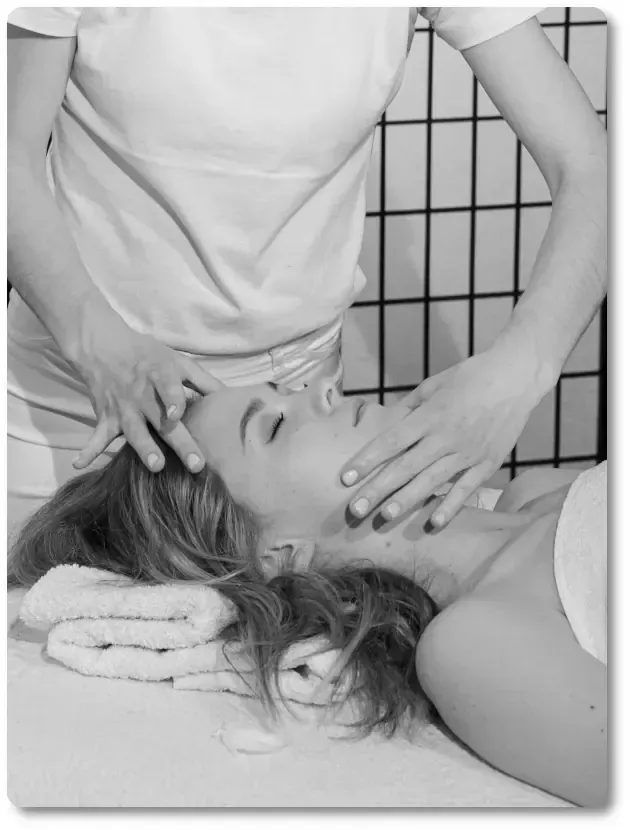
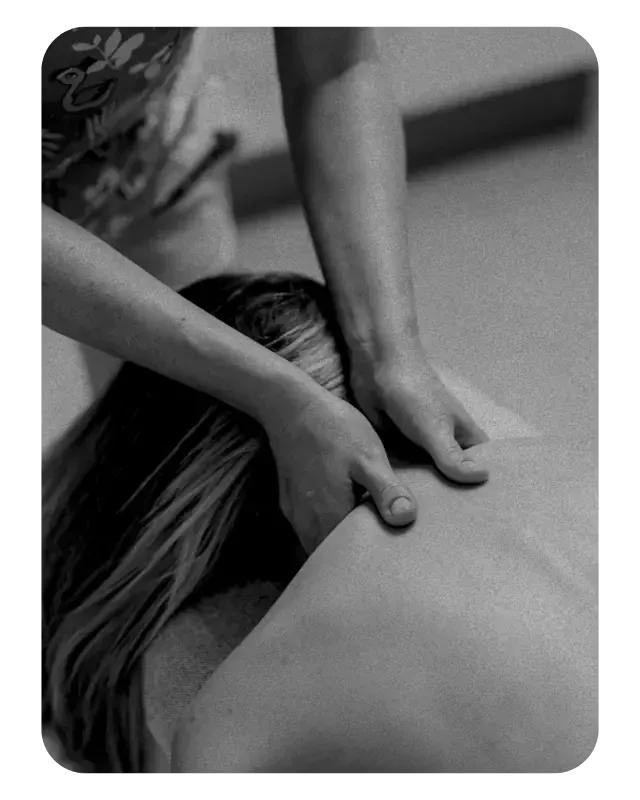
Emmett's approach to TMJ pain is a whole body approach in terms of how posture can contribute towards TMJ pain. Emmett utilizes her years of experience and expertise to provide the best care and outcome for each patient.
Education around jaw awareness, posture and clenching habits also plays an important role in long term improvement.
The Importance of Specialist Knowledge
The temporomandibular joint is a complex structure that requires precise understanding. The muscles involved are small, sensitive and closely linked to dental structures.
With over 20 years of experience in dentistry, Emmett Hawkins brings clinical insight to TMJ massage therapy. This specialist knowledge ensures treatment is delivered safely and accurately, with a clear understanding of how the jaw joint should function.
When to Seek Help for Temporomandibular Joint Problems
If jaw pain, stiffness, headaches or facial tension persist, seeking specialist care can help prevent symptoms from becoming more severe. Early treatment often leads to better outcomes and improved quality of life.
Jaw discomfort should not be accepted as normal, particularly when it interferes with daily activities.
How Does This Affect You?
Understanding what the temporomandibular joint is allows you to make informed decisions about your health. Recognising the role of the jaw in pain and discomfort can lead to more effective treatment and lasting relief.
With specialist support, improved jaw comfort and movement are achievable.
Frequently Asked Questions About the Temporomandibular Joint
What is the temporomandibular joint?
It is the joint that connects the lower jaw to the skull and allows jaw movement.
Where is the temporomandibular joint located?
It is located just in front of each ear on both sides of the face.
Why does the temporomandibular joint cause pain?
Pain usually occurs due to muscle tension or imbalance rather than joint damage.
What does TMJ stand for?
TMJ stands for temporomandibular joint.
Can the temporomandibular joint cause headaches?
Yes. Jaw muscle tension can refer pain into the head and cause tension headaches.
How is temporomandibular joint dysfunction treated?
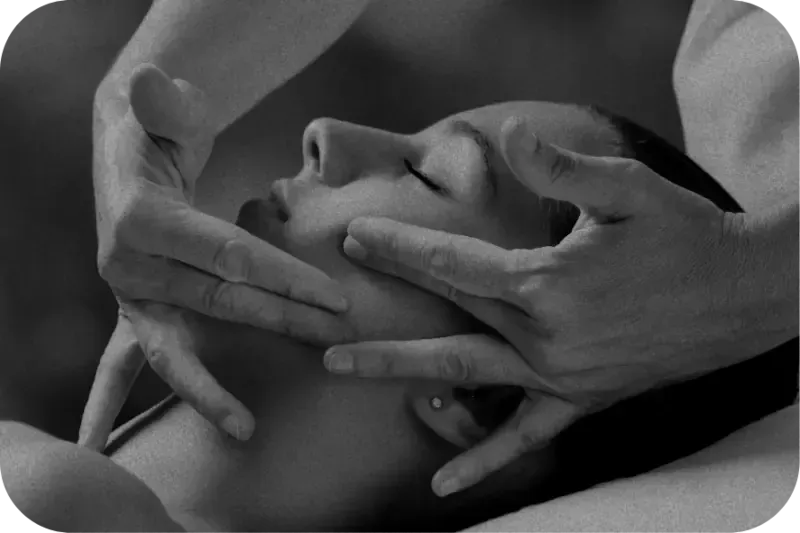
Treatment often focuses on reducing muscle tension through specialist TMJ massage therapy.
When should I seek specialist TMJ care?
If symptoms persist, worsen or affect daily life, specialist TMJ care is recommended.
Book Your Free Consultation
A no-pressure opportunity to discuss your symptoms and find the right path to relief.
Get In Touch
Email: [email protected]
Address
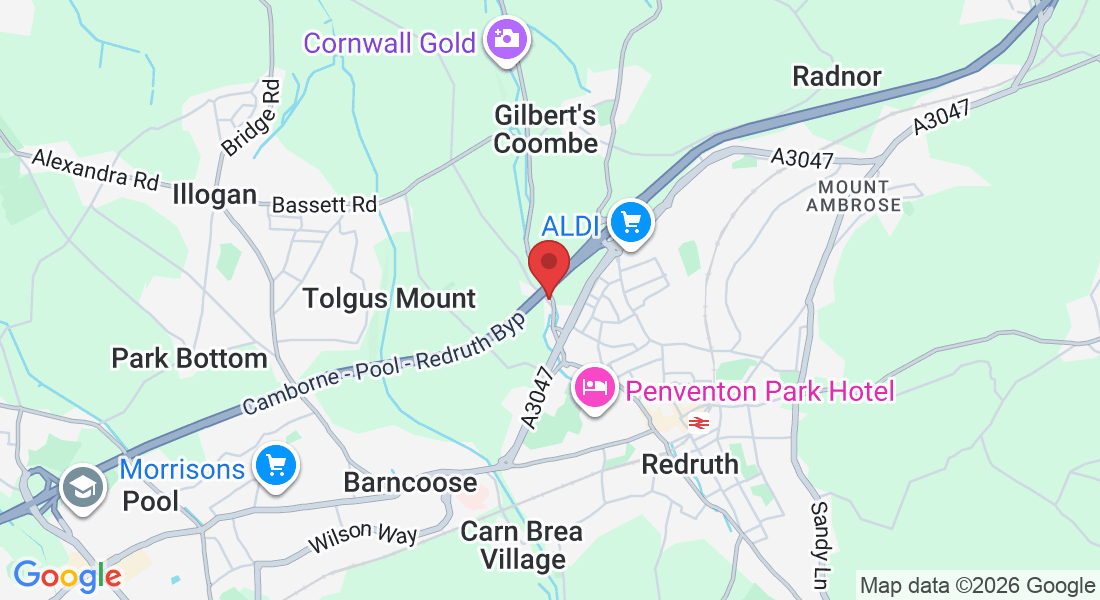
Business Park, Unit B Jenns, New Portreath Rd, Redruth TR16 4GB
Hours
Mon 3-9
Some Tuesday and Friday 9 - 3
Phone Number:
07810 697 848