Teeth Grinding in Sleep Explained
Teeth grinding in sleep is a common but often overlooked condition that can have a significant impact on jaw health, sleep quality and daily comfort. Many people grind or clench their teeth at night without realising it is happening, only becoming aware when they wake with jaw pain, headaches or facial tension.
Sleep related teeth grinding places prolonged strain on the jaw muscles and temporomandibular joint. Over time, this strain can lead to chronic jaw pain, stiffness, headaches and restricted movement. Understanding why teeth grinding happens and how it affects the jaw is an important step towards effective treatment and long term relief.
Signs You Need Specialist Support
Symptoms of TMJ dysfunction can vary, but they all stem from the same root cause: an imbalance in the complex relationship between your jaw joint and muscles.

Persistent Pain: Aching in the jaw, ear, or side of the face
Headaches: Chronic tension headaches or migraines, often worse in the morning
Restricted Movement: Stiffness, locking, or difficulty opening your mouth fully
Teeth Grinding: Clenching (Bruxism) due to stress or habit, leading to sore muscles
Neck & Shoulder Tension: Pain that radiates down from the jaw into the upper body
Specialised TMJ Treatment in Cornwall
What Is Teeth Grinding in Sleep?
Teeth grinding in sleep, also known as sleep bruxism, occurs when the jaw muscles contract repeatedly or remain clenched during sleep. Because this activity happens unconsciously, people are often unaware of it unless told by a partner or alerted by symptoms.
Unlike daytime clenching, which may be linked to concentration or stress, sleep related teeth grinding can involve sustained muscle activity for long periods. This places significant load on the jaw muscles and temporomandibular joint while the body should be resting.

Common Symptoms of Teeth Grinding in Sleep
Symptoms of teeth grinding in sleep often appear on waking or develop gradually over time.
Common symptoms include jaw pain or soreness in the morning, stiffness in the jaw that eases as the day progresses, tension headaches or pain around the temples, facial pain or tightness, sore jaw muscles, neck or shoulder discomfort, tooth sensitivity or dental wear, and fatigue caused by disrupted sleep.
Because symptoms overlap with other conditions, teeth grinding is frequently missed as the underlying cause.
Why Teeth Grinding Happens During Sleep
Teeth grinding during sleep rarely has a single cause. It is usually the result of several contributing factors working together.
Stress and anxiety are major contributors. The body often releases emotional tension through the jaw during sleep. Poor posture, particularly prolonged desk or screen work, can increase jaw muscle strain. Breathing patterns, sleep position and changes in bite may also play a role.
Many people who grind their teeth at night also clench their jaw during the day without realising it. This creates a pattern of constant muscle overuse that continues into sleep.
The Impact of Teeth Grinding on the Jaw
Grinding places excessive load on the jaw muscles and temporomandibular joint. Unlike normal chewing, grinding involves forceful, repetitive movements that the jaw is not designed to sustain for long periods.
Over time, this can lead to muscle fatigue, inflammation, jaw stiffness and pain. The temporomandibular joint may become strained, contributing to clicking, restricted movement or discomfort when opening the mouth.
Without intervention, these symptoms can worsen and begin to affect daily activities such as eating, speaking and concentrating.

Teeth Grinding and TMJ Dysfunction
Teeth grinding in sleep is closely linked to temporomandibular joint dysfunction. The excessive muscle activity involved in grinding can disrupt normal jaw mechanics and overload the joint.
People with TMJ dysfunction often experience teeth grinding as both a cause and a symptom of jaw problems. Addressing jaw muscle tension is therefore a key part of managing both conditions effectively.
Morning Jaw Pain and Headaches
Waking with jaw pain or headaches is a common sign of night time teeth grinding. Because jaw muscles have been working while the body is asleep, they may feel tight, sore or fatigued in the morning.
Headaches caused by teeth grinding are often tension based and felt around the temples or forehead. These headaches may ease as the jaw muscles warm up during the day, only to return after another night of grinding.

How TMJ Massage Therapy Helps with Teeth Grinding
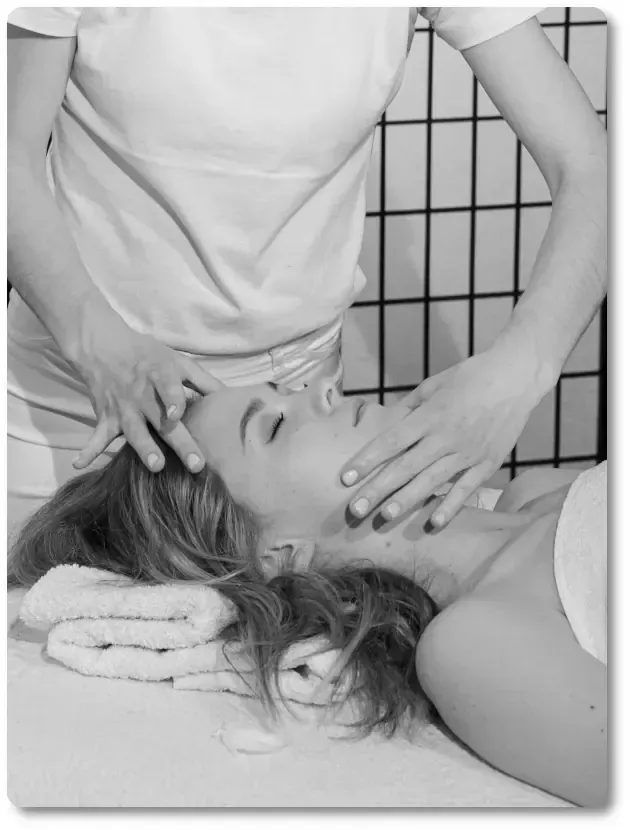
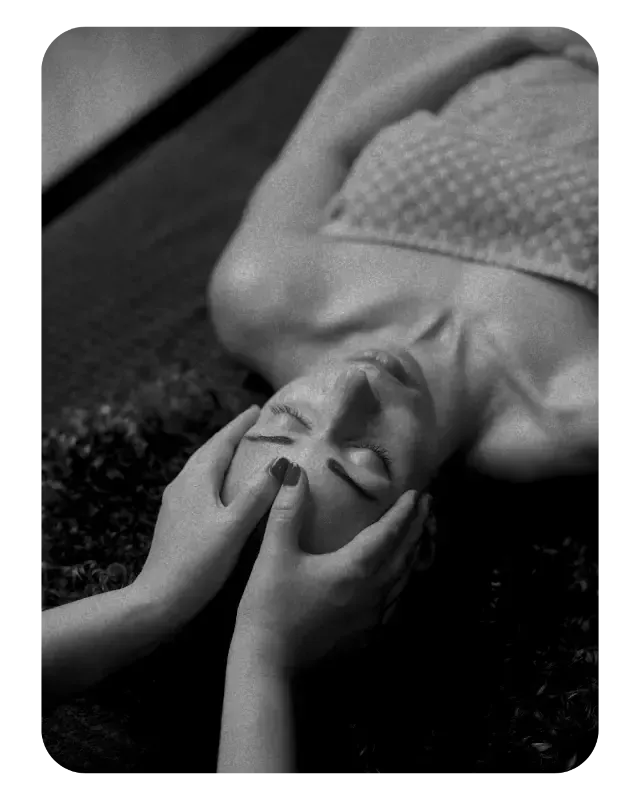
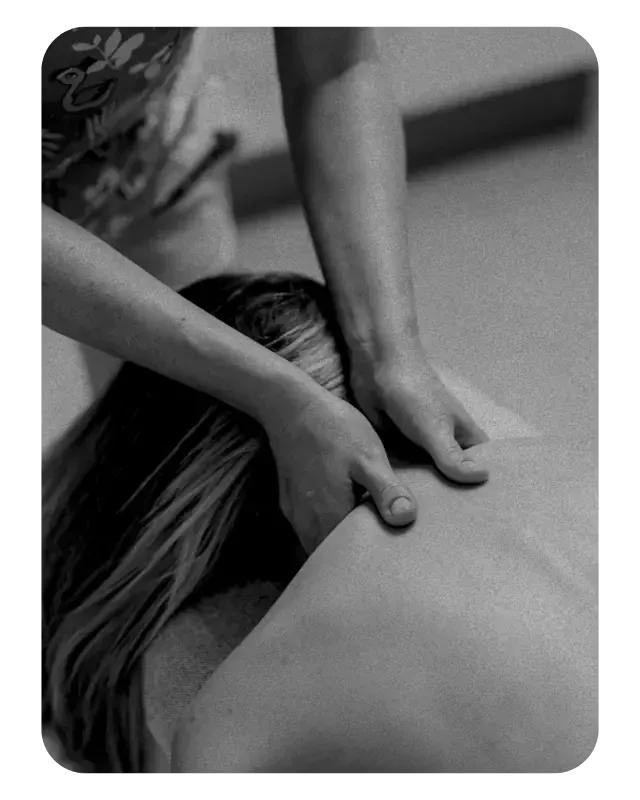
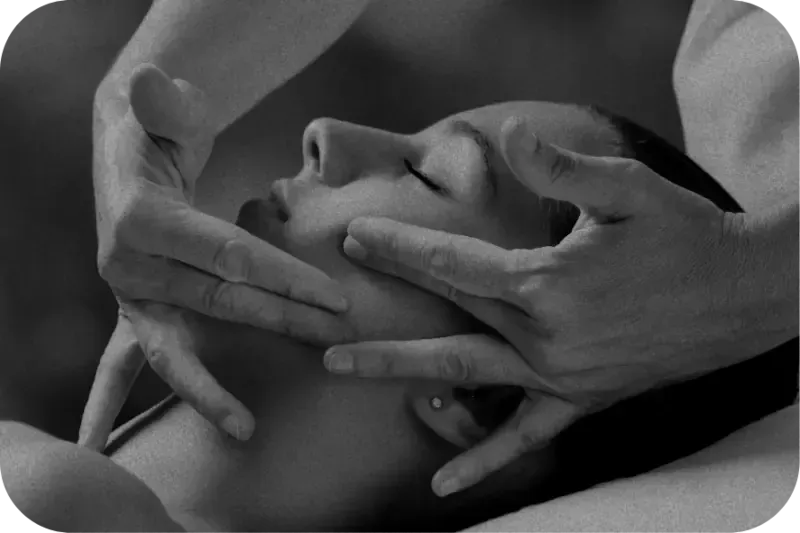
TMJ massage therapy focuses on releasing tension in the muscles responsible for jaw movement. By reducing muscle tightness, strain on the temporomandibular joint is decreased and the jaw is better able to relax.
Massage therapy improves circulation, reduces muscle fatigue and supports healthier jaw function. When delivered by a practitioner with specialist knowledge of jaw anatomy, it can help reduce the impact of teeth grinding and associated symptoms.
TMJ massage therapy does not force the jaw into position. Instead, it works with the muscles to encourage relaxation and improved movement patterns.
Emmett's whole body approach looks at how posture can contribute towards TMJ pain. Emmett utilizes her years of experience and expertise to provide the best care and outcome for each patient.
The Importance of Dental Knowledge in Treating Teeth Grinding
Teeth grinding directly affects dental structures as well as muscles. Understanding how the jaw, teeth and joint interact is essential for safe and effective treatment.
With over 20 years of experience in dentistry, Emmett Hawkins brings detailed knowledge of jaw mechanics to massage therapy. This clinical background allows treatment to be delivered with confidence and care, ensuring jaw structures are respected while muscle tension is addressed.

Long Term Management of Teeth Grinding in Sleep
Managing teeth grinding requires more than temporary relief. Long term improvement involves addressing muscle tension, stress patterns and jaw habits.
Massage therapy may be combined with education around jaw awareness, posture and relaxation techniques where appropriate. These strategies support the jaw during both waking hours and sleep, helping reduce ongoing strain.
Consistency is key. Gradual changes and regular care can lead to meaningful improvement over time.
When to Seek Help for Teeth Grinding
If you regularly wake with jaw pain, headaches or facial tension, teeth grinding may be contributing to your symptoms. Seeking specialist care can help prevent further strain on the jaw and reduce the risk of long term dysfunction.
Early support can make a significant difference to comfort and quality of life.
How Does This Affect You?
Living with teeth grinding in sleep can be exhausting and frustrating, particularly when symptoms disrupt rest and daily comfort. Understanding what is happening in your jaw allows you to take steps towards relief rather than continuing to manage pain alone.
With specialist support, reduced jaw pain, improved sleep and greater ease during the day are achievable.
Frequently Asked Questions About Teeth Grinding in Sleep
What causes teeth grinding during sleep?
Stress, anxiety, jaw tension, posture and breathing patterns are common contributors.
Is teeth grinding harmful to the jaw?
Yes. Ongoing grinding places strain on the jaw muscles and temporomandibular joint.
Can teeth grinding cause headaches?
Yes. Jaw muscle tension can refer pain into the head and cause tension headaches.
How do I know if I grind my teeth at night?
Morning jaw pain, headaches and facial soreness are common signs.
Can massage therapy help teeth grinding?
Specialised TMJ massage therapy can reduce muscle tension and support jaw relaxation.
Will teeth grinding go away on its own?
It may fluctuate, but ongoing grinding often requires treatment for lasting improvement.
When should I seek specialist care?
If symptoms are persistent or worsening, specialist TMJ care is recommended.
Book Your Free Consultation
A no-pressure opportunity to discuss your symptoms and find the right path to relief.
Get In Touch
Email: [email protected]
Address
Business Park, Unit B Jenns, New Portreath Rd, Redruth TR16 4GB
Hours
Mon 3-9
Some Tuesday and Friday 9 - 3
Phone Number:
07810 697 848