Release Tension in Jaw and Tight Jaw Muscles
Jaw tension is one of the most common and least recognised forms of muscle tension in the body. Many people live with a tight jaw without realising how much strain it places on the face, head and neck. Tight jaw muscles can lead to pain, stiffness, headaches and facial tension that gradually affect comfort and quality of life.
Learning how to release tension in the jaw is not just about temporary relief. It is about understanding why jaw tightness develops and addressing the underlying muscle patterns that keep the jaw in a constant state of tension. With the right approach, lasting jaw tightness relief is achievable.
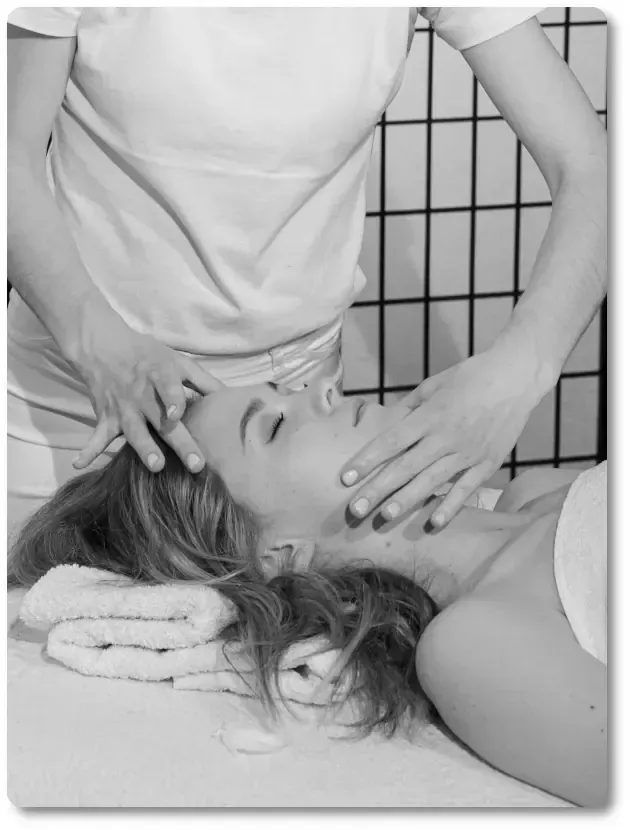
Signs You Need Specialist Support
Symptoms of TMJ dysfunction can vary, but they all stem from the same root cause: an imbalance in the complex relationship between your jaw joint and muscles.

Persistent Pain: Aching in the jaw, ear, or side of the face
Headaches: Chronic tension headaches or migraines, often worse in the morning
Restricted Movement: Stiffness, locking, or difficulty opening your mouth fully
Teeth Grinding: Clenching (Bruxism) due to stress or habit, leading to sore muscles
Neck & Shoulder Tension: Pain that radiates down from the jaw into the upper body
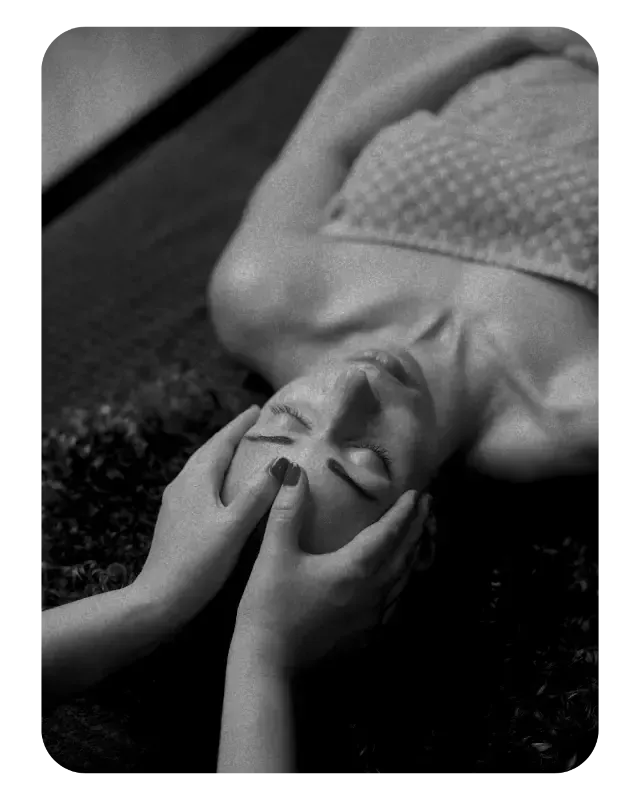
Specialised TMJ Treatment in Cornwall
What Does Jaw Tension Feel Like?
Jaw tension can feel different from person to person. Some people experience obvious tightness or aching, while others notice more subtle signs.
Common sensations include a tight or clenched feeling in the jaw, difficulty relaxing the jaw even when resting, stiffness when opening or closing the mouth, aching in the jaw muscles, facial tension around the cheeks or temples, headaches linked to jaw tightness, and discomfort that worsens during stress or concentration.
Because jaw tension often builds gradually, it can become normalised and overlooked.

Why Jaw Muscles Become Tight
Jaw muscles become tight when they are overused or held in a contracted state for long periods. Stress is one of the most common causes, as many people clench their jaw unconsciously when feeling anxious or focused.
Teeth grinding during sleep keeps jaw muscles active when they should be resting. Poor posture, particularly prolonged desk or screen use, alters head and neck alignment and increases jaw muscle workload. Habits such as chewing gum frequently or holding tension in the face also contribute.
Over time, these factors create persistent muscle tightness that does not resolve on its own.
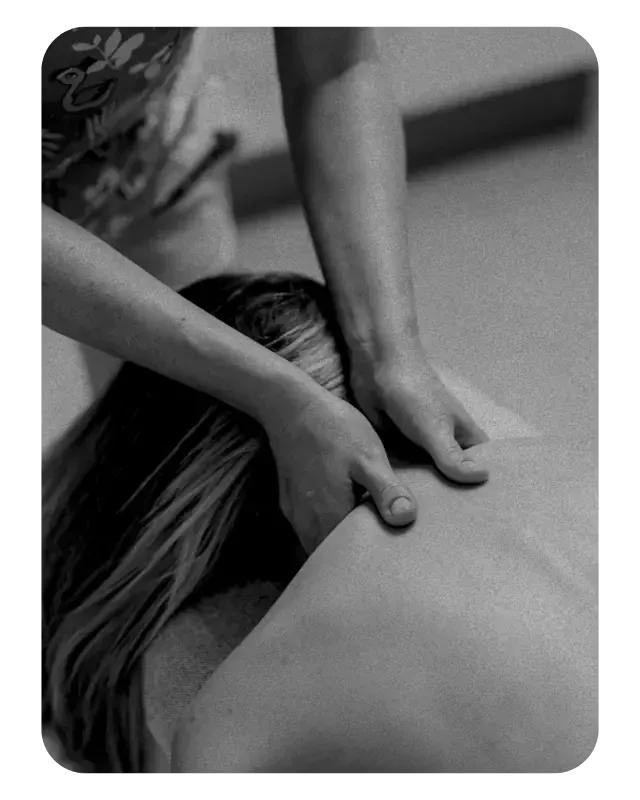
Tight Jaw Muscles and Stress
Stress plays a significant role in jaw tension. When the body is under stress, muscles tighten as part of the stress response. For many people, this tension accumulates in the jaw.
Jaw clenching may occur during the day without awareness and continue at night through teeth grinding. When stress is ongoing, jaw muscles struggle to relax fully, leading to chronic tightness and discomfort.
Recognising the stress jaw connection is an important step towards relief.
Jaw Tightness and TMJ Dysfunction
Jaw tightness is closely linked to temporomandibular joint dysfunction. Tight or imbalanced jaw muscles place strain on the jaw joint, leading to pain, stiffness and restricted movement.
In many cases, TMJ dysfunction is driven primarily by muscle tension rather than joint damage. Releasing tight jaw muscles reduces strain on the joint and supports healthier jaw movement.
Treating muscle tension is therefore central to effective TMJ care.


Why Jaw Tension Often Leads to Headaches
Tight jaw muscles can refer pain into the head, causing tension headaches. The muscles of the jaw are closely connected to the muscles of the temples and neck.
When jaw muscles remain tight, they pull on surrounding structures, leading to pressure or aching pain in the head. People with frequent headaches often discover that jaw tension is a contributing factor.
Releasing jaw tension can therefore play an important role in headache relief.
How to Release Tension in the Jaw Safely
Releasing jaw tension requires more than forcing the jaw to relax. Aggressive stretching or self manipulation can increase discomfort.
The most effective way to release jaw tension is through targeted muscle based treatment that allows muscles to relax gradually. Specialist TMJ massage therapy focuses on releasing tight jaw muscles safely and effectively.
Gentle awareness of clenching habits, improved posture and guided relaxation techniques also support long term relief.

How TMJ Massage Therapy Provides Jaw Tightness Relief
Emmett’s experience has meant that she takes a holistic approach towards TMJ pain by assessing the patient's posture first. Emmett then tailors the treatment plan according to the assessment and utilises her vast experience in the area.
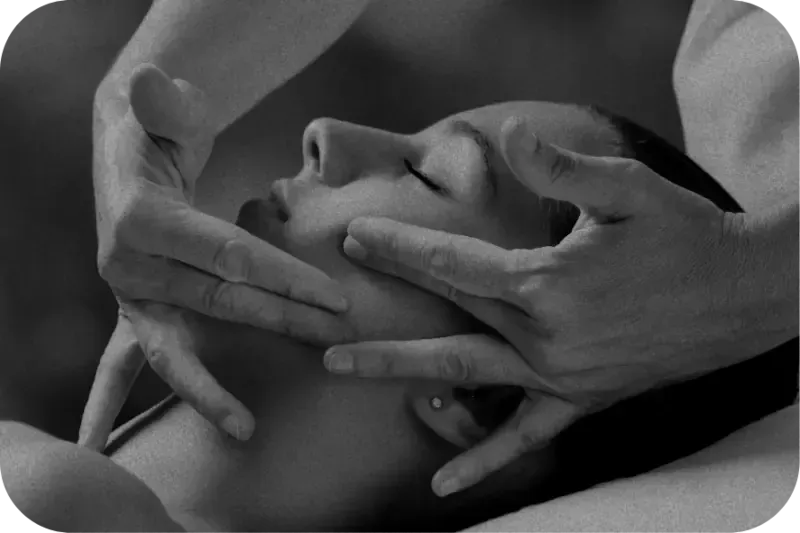
TMJ massage therapy is specifically designed to release tension in the muscles responsible for jaw movement. By reducing muscle tightness, strain on the jaw joint is eased and movement becomes more comfortable.
Massage therapy improves circulation, reduces muscle fatigue and supports relaxation of overworked muscles. When delivered by a practitioner with specialist knowledge of jaw anatomy, it directly addresses the causes of jaw tightness rather than masking symptoms.
TMJ massage therapy should feel therapeutic and supportive, never forced.
Why Specialist Knowledge Matters
Jaw muscles are small, sensitive and closely linked to dental structures and nerves. Treating them effectively requires precise anatomical understanding.
With over 20 years of experience in dentistry, Emmett Hawkins brings clinical insight to TMJ massage therapy. This specialist background ensures treatment is delivered safely, accurately and with a clear understanding of how the jaw should function.
Specialist care is particularly important for people with long standing or recurring jaw tightness.

Supporting Jaw Tightness Relief Between Sessions
Jaw tightness relief is most effective when supported between treatment sessions. Awareness of jaw clenching, posture and stress patterns helps prevent tension from building again.
Small changes such as noticing when the jaw is clenched, allowing the teeth to separate at rest and reducing unnecessary jaw activity can make a significant difference over time.
Massage therapy supports these changes by helping muscles release tension and recover more effectively.
When to Seek Help for Tight Jaw Muscles
If jaw tightness is persistent, worsening or affecting daily life, seeking specialist care can prevent symptoms from becoming more severe. Early treatment often leads to quicker and more lasting relief.
Jaw tension does not need to be accepted as normal.
How Does This Affect You?
Living with tight jaw muscles can affect comfort, confidence and wellbeing. Understanding how to release tension in the jaw allows you to move towards treatment that addresses the cause rather than managing symptoms alone.
With specialist TMJ care, improved relaxation, reduced pain and greater ease in daily life are achievable.
Frequently Asked Questions About Jaw Tightness Relief
What causes tight jaw muscles?
Stress, teeth grinding, clenching, poor posture and muscle overuse are common causes.
Why is my jaw always tense?
Unconscious clenching and stress often keep jaw muscles in a contracted state.
Can tight jaw muscles cause headaches?
Yes. Jaw tension commonly refers pain into the head.
How can I release jaw tension quickly?
Targeted massage therapy is one of the most effective ways to release tension safely.
Can massage therapy help jaw tightness?
Specialised TMJ massage therapy can significantly reduce jaw muscle tightness.
Will jaw tightness go away on its own?
It may fluctuate, but persistent tightness often requires treatment.
When should I seek specialist TMJ care?
If jaw tightness persists or affects daily life, specialist care is recommended.
Book Your Free Consultation
A no-pressure opportunity to discuss your symptoms and find the right path to relief.
Get In Touch
Email: [email protected]
Address
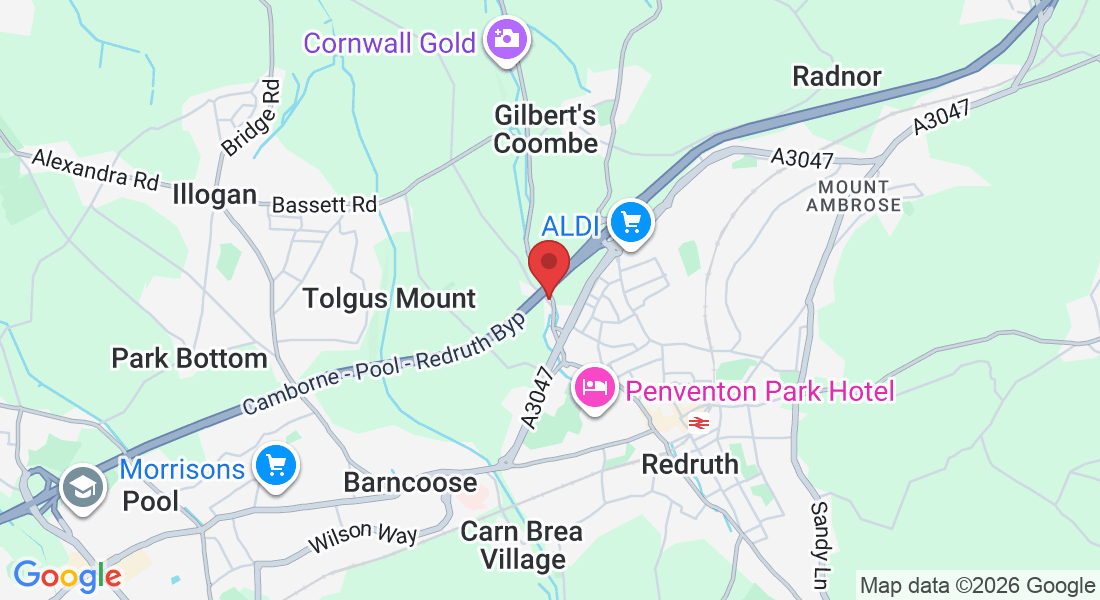
Business Park, Unit B Jenns, New Portreath Rd, Redruth TR16 4GB
Hours
Mon 3-9
Some Tuesday and Friday 9 - 3
Phone Number:
07810 697 848