Sore Jaw on One Side Explained
A sore jaw on one side is a common and often worrying symptom. Many people notice pain on just one side of the jaw and wonder why it feels uneven or different from the other side. One sided jaw pain can affect eating, speaking and sleeping and may gradually become more noticeable if left untreated.
Jaw pain that affects only one side is rarely random. It is often linked to muscle imbalance, clenching habits or temporomandibular joint dysfunction. Understanding why one side of the jaw is sore and what is causing the imbalance is an important step towards effective treatment and lasting relief.
Signs You Need Specialist Support
Symptoms of TMJ dysfunction can vary, but they all stem from the same root cause: an imbalance in the complex relationship between your jaw joint and muscles.

Persistent Pain: Aching in the jaw, ear, or side of the face
Headaches: Chronic tension headaches or migraines, often worse in the morning
Restricted Movement: Stiffness, locking, or difficulty opening your mouth fully
Teeth Grinding: Clenching (Bruxism) due to stress or habit, leading to sore muscles
Neck & Shoulder Tension: Pain that radiates down from the jaw into the upper body
Specialised TMJ Treatment in Cornwall
What Does a Sore Jaw on One Side Feel Like?
A sore jaw on one side can present in several ways. Some people experience a dull ache around the jaw joint, while others feel sharp discomfort or tightness in the jaw muscles on one side of the face.
Common sensations include pain when chewing on one side, soreness around the jaw joint, stiffness or tightness that affects one side more than the other, discomfort when opening the mouth, facial pain that feels localised to one side, and pain that radiates into the ear, temple or neck.
Symptoms may be constant or may worsen with certain movements or activities.

Common Causes of a Sore Jaw on One Side
Jaw pain on one side usually develops due to uneven strain on the jaw muscles or joint. Several factors can contribute to this imbalance.
Teeth grinding or clenching often places more pressure on one side of the jaw, particularly if grinding patterns are uneven. Chewing predominantly on one side can overload the muscles on that side. Stress and tension may be held asymmetrically in the jaw. Poor posture can also affect jaw alignment and muscle balance.
Previous dental work or jaw trauma may lead to subtle changes in how the jaw moves, increasing strain on one side over time.
Sore Jaw on One Side and TMJ Dysfunction
Temporomandibular joint dysfunction commonly causes one sided jaw pain. TMJ dysfunction often affects one joint more than the other, particularly when muscle tension or movement patterns are uneven.
When one side of the jaw muscles is tighter or overworked, the joint on that side may become irritated or strained. This can lead to soreness, stiffness and restricted movement on one side of the jaw.
Without addressing muscle imbalance, one sided jaw pain often persists or gradually worsens.
Teeth Grinding and One Sided Jaw Pain
Teeth grinding and clenching are major contributors to one sided jaw pain. Grinding patterns are rarely symmetrical and many people apply more force on one side of the jaw during sleep.
This uneven muscle activity places extra strain on the jaw muscles and joint on one side, leading to soreness and stiffness. Morning jaw pain that affects one side more than the other is a common sign of night time teeth grinding.
Jaw Muscle Imbalance and Overuse
Jaw muscles work in pairs, but habits and posture can cause one side to work harder than the other. Over time, this imbalance leads to muscle fatigue and soreness.
Common contributors include holding tension on one side of the face, resting the chin on one hand, chewing gum on one side, or favouring one side due to dental sensitivity.
Muscle imbalance is a frequent cause of persistent one sided jaw pain.
Facial Pain and Ear Discomfort on One Side
A sore jaw on one side may be accompanied by facial pain or ear discomfort on the same side. Because the jaw is closely connected to the muscles of the face and ear structures, tension can refer pain into nearby areas.
This may feel like earache, pressure or aching around the temple. These symptoms are often mistaken for ear or sinus problems when the jaw is the underlying cause.

How TMJ Massage Therapy Helps One Sided Jaw Pain
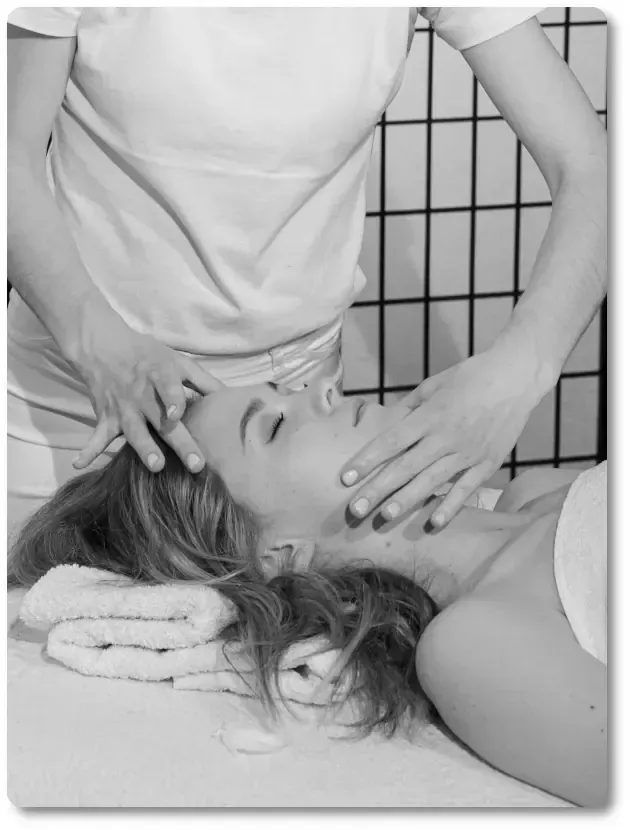
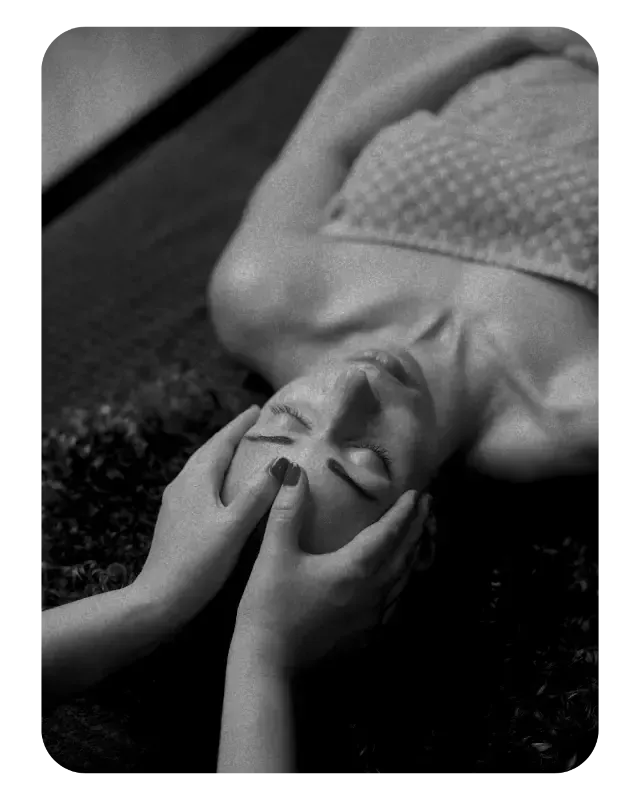
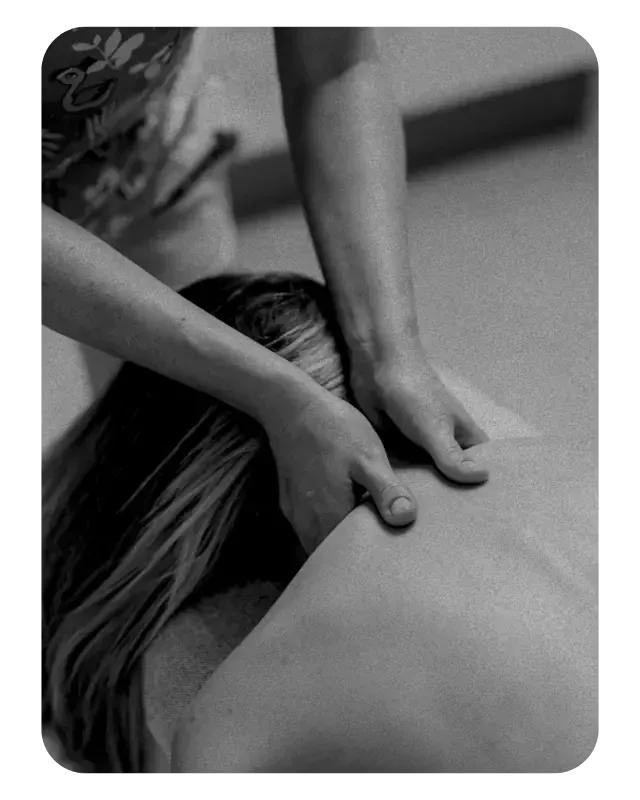
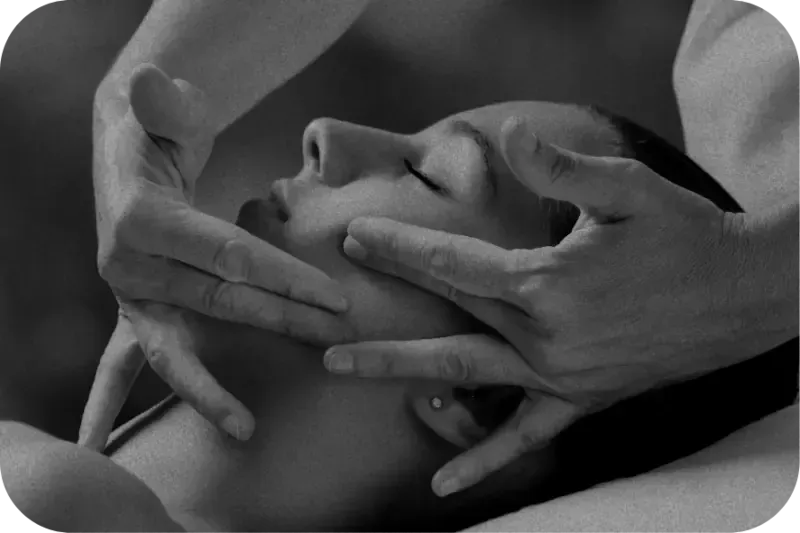
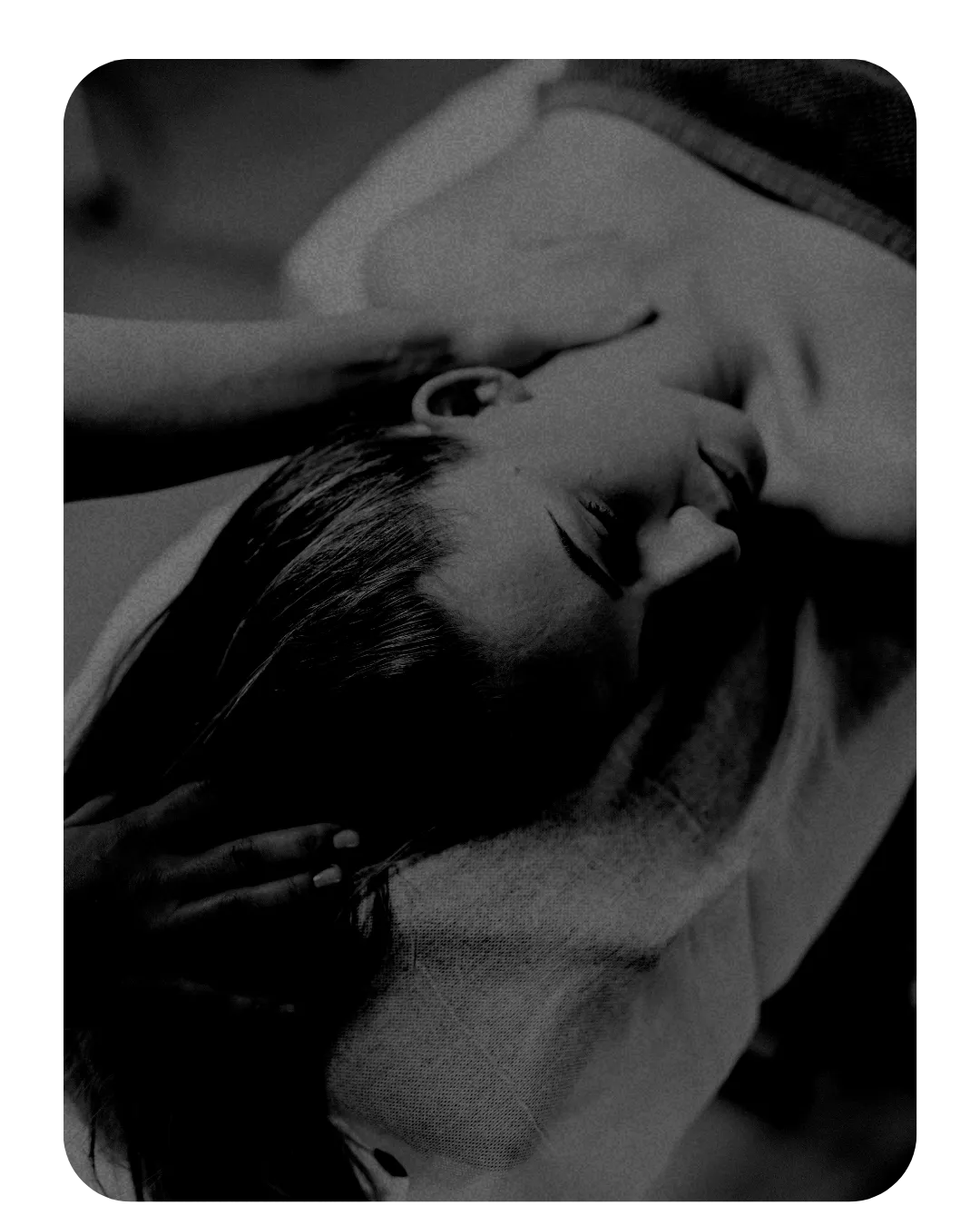
TMJ massage therapy focuses on releasing tension in the muscles responsible for jaw movement. By addressing muscle tightness and imbalance, strain on the jaw joint is reduced and movement becomes more comfortable.
Massage therapy improves circulation, reduces muscle fatigue and helps restore balance between the two sides of the jaw. When delivered by a practitioner with specialist knowledge of jaw anatomy, it can be particularly effective for one sided jaw pain.
TMJ massage therapy works gently and does not force the jaw. It encourages relaxation and improved function over time.
Emmett's approach to TMJ pain is a whole body approach in terms of how posture can contribute towards TMJ pain. Emmett utilizes her years of experience and expertise to provide the best care and outcome for each patient.
Why Specialist Knowledge Is Important
Treating one sided jaw pain effectively requires understanding how the jaw moves and how muscle imbalance develops. The muscles involved are small and sensitive and are closely linked to dental structures.
With over 20 years of experience in dentistry, Emmett Hawkins brings detailed insight to TMJ massage therapy. This clinical background allows treatment to be delivered safely and accurately, ensuring the jaw is supported rather than stressed.
This level of expertise is especially important for long standing or complex one sided jaw pain.
Long Term Management of a Sore Jaw on One Side
One sided jaw pain often improves gradually with consistent treatment and awareness. Addressing muscle imbalance is key to long term improvement.
Massage therapy may be combined with guidance on jaw awareness, posture and everyday habits that contribute to uneven strain. Small changes can make a meaningful difference when applied consistently.
When to Seek Help for One Sided Jaw Pain
If a sore jaw on one side is persistent, worsening or affecting daily life, seeking specialist care can help prevent further dysfunction. Early treatment may stop pain from spreading or becoming chronic.
Jaw pain does not need to be accepted as normal.
How Does This Affect You?
Living with one sided jaw pain can affect comfort, confidence and quality of life. Understanding why the pain is occurring allows you to move towards treatment that addresses the cause rather than managing symptoms alone.
With specialist support, improved comfort and balanced jaw movement are achievable.
Frequently Asked Questions About a Sore Jaw on One Side
Why is my jaw sore on only one side?
One sided jaw pain is often caused by muscle imbalance, teeth grinding or TMJ dysfunction affecting one joint.
Can teeth grinding cause pain on one side of the jaw?
Yes. Grinding patterns are often uneven and place more strain on one side.
Is one sided jaw pain a sign of TMJ dysfunction?
It can be. TMJ dysfunction frequently affects one side more than the other.
Can massage therapy help one sided jaw pain?
Specialised TMJ massage therapy can reduce muscle tension and restore balance.
Should I be worried about one sided jaw pain?
Persistent pain should be assessed, particularly if it affects daily activities.
Will one sided jaw pain go away on its own?
It may fluctuate, but ongoing pain often requires treatment for lasting improvement.
When should I seek specialist care?
If pain persists, worsens or spreads, specialist TMJ care is recommended.
Book Your Free Consultation
A no-pressure opportunity to discuss your symptoms and find the right path to relief.
Get In Touch
Email: [email protected]
Address
Business Park, Unit B Jenns, New Portreath Rd, Redruth TR16 4GB
Hours
Mon 3-9
Some Tuesday and Friday 9 - 3
Phone Number:
07810 697 848