Tension Headache Stress and Symptoms
Tension headaches are one of the most common types of headache and one of the most misunderstood. Many people live with regular headaches caused by stress without realising what is happening in their body or why the pain keeps returning. Tension headache stress often builds gradually, creating a constant dull ache or tight pressure that affects concentration, sleep and quality of life.
Understanding tension headache symptoms and their connection to stress and jaw tension is an important step towards lasting relief. These headaches are rarely random. They are often linked to muscle tension in the jaw, face, neck and shoulders, particularly in people who clench their jaw, grind their teeth or spend long periods under mental or physical stress.
Signs You Need Specialist Support
Symptoms of TMJ dysfunction can vary, but they all stem from the same root cause: an imbalance in the complex relationship between your jaw joint and muscles.

Persistent Pain: Aching in the jaw, ear, or side of the face
Headaches: Chronic tension headaches or migraines, often worse in the morning
Restricted Movement: Stiffness, locking, or difficulty opening your mouth fully
Teeth Grinding: Clenching (Bruxism) due to stress or habit, leading to sore muscles
Neck & Shoulder Tension: Pain that radiates down from the jaw into the upper body
Specialised TMJ Treatment in Cornwall
What Is a Tension Headache?
A tension headache is typically caused by muscle tension rather than inflammation or neurological changes. Unlike migraines, tension headaches usually create a steady, pressing pain rather than throbbing discomfort.
People often describe tension headaches as a tight band around the head, pressure behind the eyes or aching pain across the temples or forehead. The pain may feel mild to moderate but can be persistent and draining, particularly when headaches occur frequently.
Tension headaches are closely linked to muscle tension, posture and stress, making them common in people with demanding work environments or chronic jaw tightness.

How Stress Causes Tension Headaches
Stress is one of the most significant triggers for tension headaches. When the body is under stress, muscles naturally tighten as part of the stress response. For many people, this tension accumulates in the jaw, face, neck and shoulders.
Jaw clenching is a common response to stress, often happening unconsciously during concentration or emotional strain. Over time, this constant muscle activity places strain on the jaw and surrounding muscles, which can refer pain into the head.
Chronic stress also reduces the body’s ability to relax fully, meaning muscles remain tense even during rest. This ongoing tension creates the conditions for tension headaches to develop and persist.
Common Tension Headache Symptoms
Tension headache symptoms can vary from person to person, but they often follow recognisable patterns.
Common symptoms include a dull aching pain across the forehead or temples, pressure or tightness around the head, pain that feels like a tight band or weight on the head, tenderness in the scalp, jaw or neck muscles, facial tension or jaw tightness, headaches that worsen during stress or long periods of concentration, and discomfort that lasts for hours or even days.
Unlike migraines, tension headaches usually do not cause nausea or sensitivity to light, which can make them easier to dismiss or manage incorrectly.
Jaw Tension and Tension Headaches
Jaw tension plays a significant role in many tension headaches. The muscles that control jaw movement are closely connected to the muscles of the head and neck. When the jaw is tight or overworked, pain can easily refer into the temples and forehead.
People who clench their jaw during the day or grind their teeth at night are particularly prone to tension headaches. Morning headaches are often a sign that jaw tension has been present during sleep.
Addressing jaw tension is a key part of reducing tension headaches, particularly when headaches occur alongside facial pain or jaw stiffness.

Tension Headache Symptoms Linked to TMJ Dysfunction
Temporomandibular joint dysfunction and tension headaches frequently occur together. TMJ dysfunction involves tight or imbalanced jaw muscles that strain the jaw joint and surrounding tissues.
When these muscles remain tense, they can trigger headaches through referred pain. People with TMJ related tension headaches often experience jaw pain, facial tension or restricted jaw movement alongside headaches.
Without addressing TMJ dysfunction, tension headaches may continue to return even when stress levels fluctuate.
Why Tension Headaches Become Chronic
Tension headaches often become chronic because the underlying cause is not addressed. Pain relief medication may reduce discomfort temporarily but does not resolve muscle tension or stress related habits.
Poor posture, prolonged screen use and ongoing stress can reinforce muscle tightness over time. As tension becomes habitual, the body loses its ability to relax fully, making headaches more frequent and persistent.
Understanding these patterns is essential for long term improvement.

The Role of Dental Knowledge in Tension Headache Treatment
Many tension headaches are linked to jaw mechanics and clenching patterns. Without understanding how the jaw functions, these connections can be missed.
With over 20 years of experience in dentistry, Emmett Hawkins brings detailed knowledge of jaw anatomy to massage therapy. This allows tension headaches to be treated with an understanding of how jaw muscle tension contributes to head pain.
This specialist insight is particularly valuable for people whose headaches have not responded to conventional approaches.
Managing Stress to Reduce Tension Headache Symptoms
While stress cannot always be eliminated, learning how it affects the body is an important step in managing tension headaches. Awareness of jaw clenching, posture and muscle tension allows people to interrupt patterns before they lead to pain.
Massage therapy supports this process by reducing existing tension and increasing awareness of how stress manifests physically. Over time, this can help reduce headache frequency and severity.

When to Seek Help for Tension Headaches
If tension headaches are frequent, persistent or affecting daily life, seeking specialist support can make a meaningful difference. Headaches that occur alongside jaw pain, facial tension or teeth grinding are particularly worth investigating.
Early intervention can help prevent headaches from becoming chronic and harder to manage.
How Does This Affect You?
Living with stress related tension headaches can be exhausting. Understanding the role of jaw tension and muscle strain allows you to move beyond temporary relief and towards lasting improvement.
With the right treatment and support, it is possible to reduce headache frequency and regain comfort and clarity.
Frequently Asked Questions About Tension Headaches
What causes tension headaches?
They are commonly caused by muscle tension, stress, jaw clenching and poor posture.
Can stress cause daily tension headaches?
Yes. Ongoing stress can keep muscles tense and trigger frequent headaches.
Are tension headaches linked to TMJ dysfunction?
Very often. Jaw muscle tension can refer pain into the head.
Can massage therapy help tension headaches?
Yes. Massage therapy reduces muscle tension and supports relaxation.
Why do I wake up with a headache?
Morning headaches are often linked to night time jaw clenching or teeth grinding.
How long do tension headaches last?
They can last from a few hours to several days depending on tension levels.
When should I seek specialist care?
If headaches are persistent, worsening or linked to jaw pain, specialist care is recommended.
Book Your Free Consultation
A no-pressure opportunity to discuss your symptoms and find the right path to relief.
Get In Touch
Email: [email protected]
Address
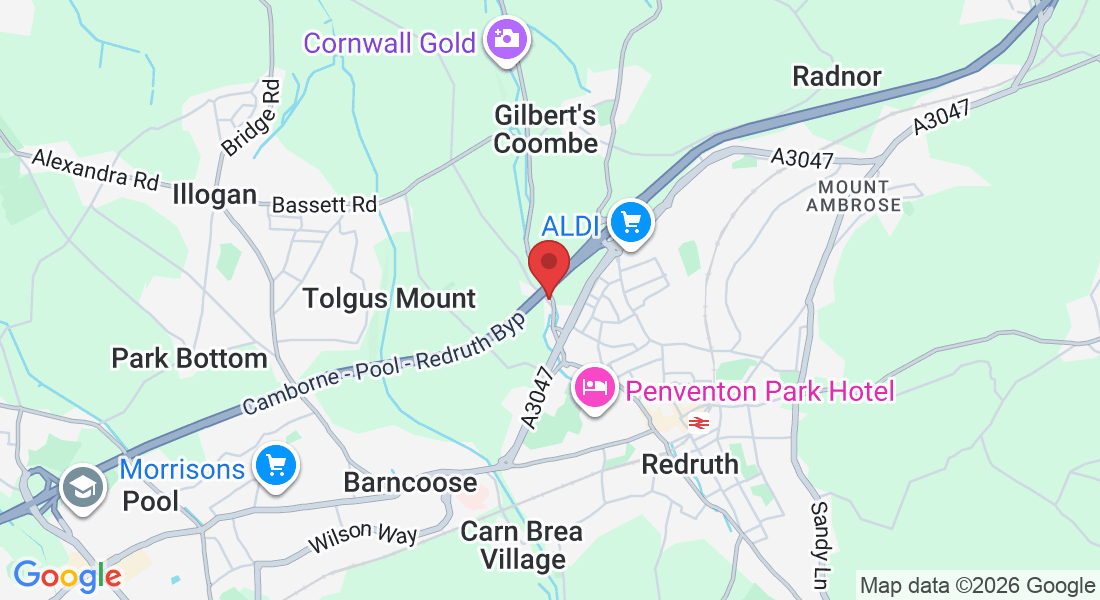
Business Park, Unit B Jenns, New Portreath Rd, Redruth TR16 4GB
Hours
Mon 3-9
Some Tuesday and Friday 9 - 3
Phone Number:
07810 697 848