Temporomandibular Joint Dysfunction Treatment
The temporomandibular joint is one of the most important and most overworked joints in the body. It allows you to chew, speak, yawn and express emotion. When this joint is not functioning properly, even the simplest daily tasks can become uncomfortable or painful. Temporomandibular joint dysfunction can affect far more than the jaw alone and is commonly linked to facial pain, headaches, neck tension, teeth grinding and restricted jaw movement.
Many people live with temporomandibular joint symptoms for months or years without understanding the cause. Jaw pain is often dismissed as stress related or treated with short term solutions that do not address the underlying problem. Gaining a clear understanding of how the temporomandibular joint works and why dysfunction develops is the first step towards meaningful and lasting relief.
Signs You Need Specialist Support
Symptoms of TMJ dysfunction can vary, but they all stem from the same root cause: an imbalance in the complex relationship between your jaw joint and muscles.

Persistent Pain: Aching in the jaw, ear, or side of the face
Headaches: Chronic tension headaches or migraines, often worse in the morning
Restricted Movement: Stiffness, locking, or difficulty opening your mouth fully
Teeth Grinding: Clenching (Bruxism) due to stress or habit, leading to sore muscles
Neck & Shoulder Tension: Pain that radiates down from the jaw into the upper body
Specialised TMJ Treatment in Cornwall
What Is the Temporomandibular Joint?
The temporomandibular joint connects the lower jaw to the skull on each side of the face. It is one of the most complex joints in the body because it must move smoothly in several directions. Every time you speak, eat, swallow or yawn, this joint is active.
For the temporomandibular joint to function correctly, there must be balance between the joint itself and the muscles that control movement. When that balance is disrupted, the joint can become irritated, restricted or painful. In most cases, temporomandibular joint dysfunction is not caused by damage to the joint structure but by dysfunction in the surrounding muscles.
These muscles can become tight or overworked due to stress, posture, teeth grinding or prolonged clenching. Over time, this tension places strain on the joint and leads to pain, stiffness and limited movement.

Common Temporomandibular Joint Symptoms
Temporomandibular joint dysfunction can present in many different ways. Some people experience obvious jaw pain while others notice symptoms elsewhere before realising the jaw is involved.
Common symptoms include a sore jaw joint, jaw stiffness especially on waking, restricted jaw movement or difficulty opening the mouth fully, facial pain or facial tension, tension headaches or pain around the temples, teeth grinding or clenching during sleep, a tight jaw feeling linked to stress or concentration and pain that radiates into the ears, neck or shoulders.
Symptoms may fluctuate over time. They can improve temporarily before returning, which often leads to confusion and frustration when trying to identify the cause.
What Causes Temporomandibular Joint Dysfunction?
Temporomandibular joint dysfunction rarely has a single cause. It usually develops as a result of several contributing factors building up gradually.
Teeth grinding and clenching place repeated strain on the jaw muscles and joint, often without conscious awareness. Stress and anxiety increase muscle tension and reduce the body’s ability to relax. Poor posture, particularly from prolonged desk or screen use, alters head and neck alignment and increases strain on the jaw. Previous dental procedures, jaw trauma or changes in bite can also contribute.
Because multiple factors are involved, treatment that focuses on only one element often fails to provide lasting relief. Effective temporomandibular joint treatment needs to address muscle tension alongside contributing habits and patterns.
Why Temporomandibular Joint Problems Are Often Missed
Many people with temporomandibular joint dysfunction do not realise that their symptoms are jaw related. Headaches may be treated as migraines, facial pain may be attributed to sinus issues and jaw stiffness may be dismissed as stress.
In the UK, access to specialist temporomandibular joint care is limited and NHS waiting lists can extend for months. This leaves many people managing pain without guidance or specialist support. Without education and targeted treatment, symptoms often persist and gradually worsen.

How Temporomandibular Joint Massage Therapy Helps
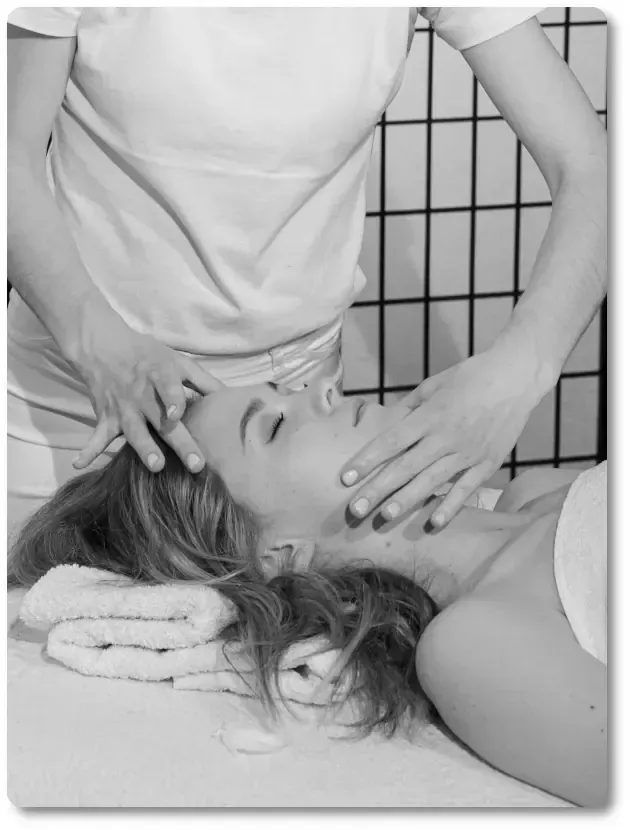
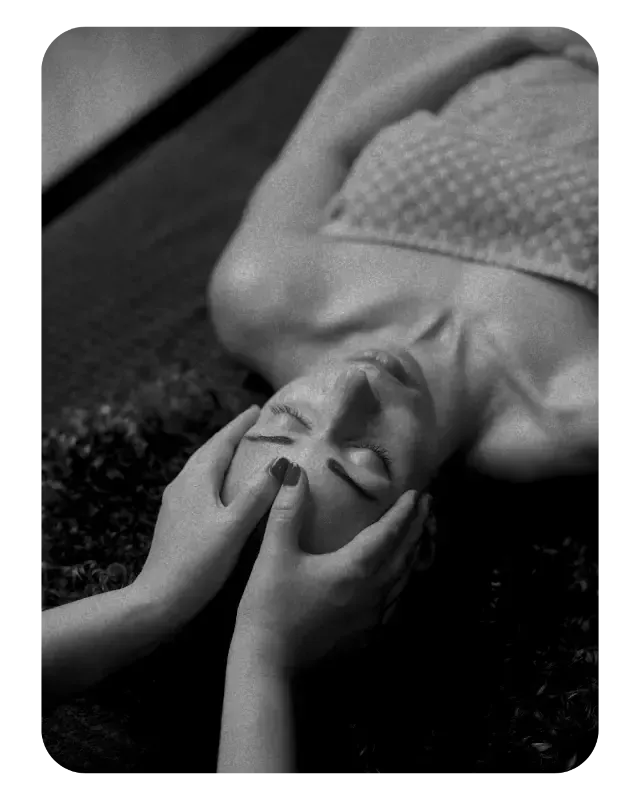
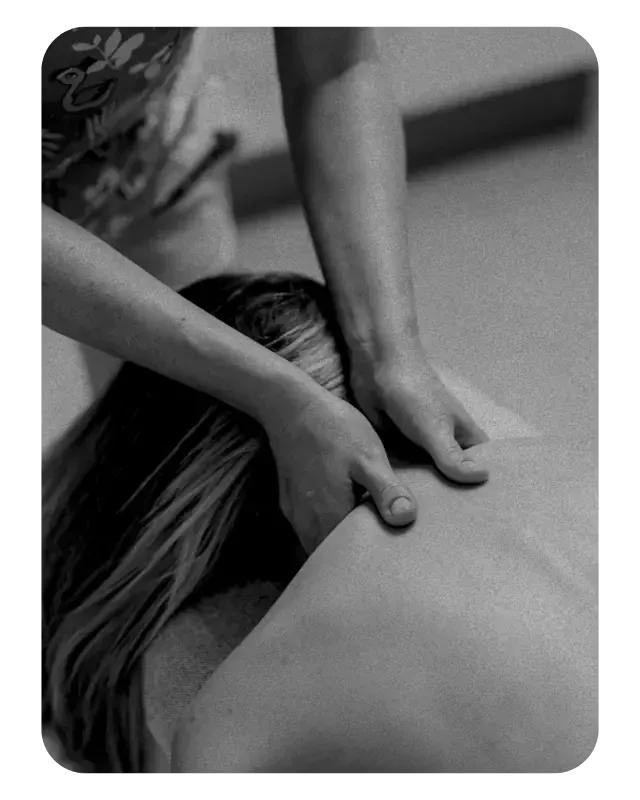
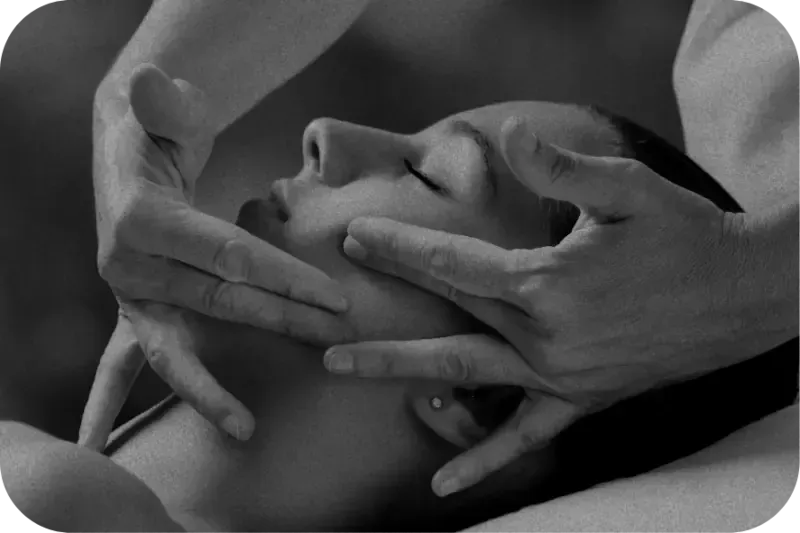
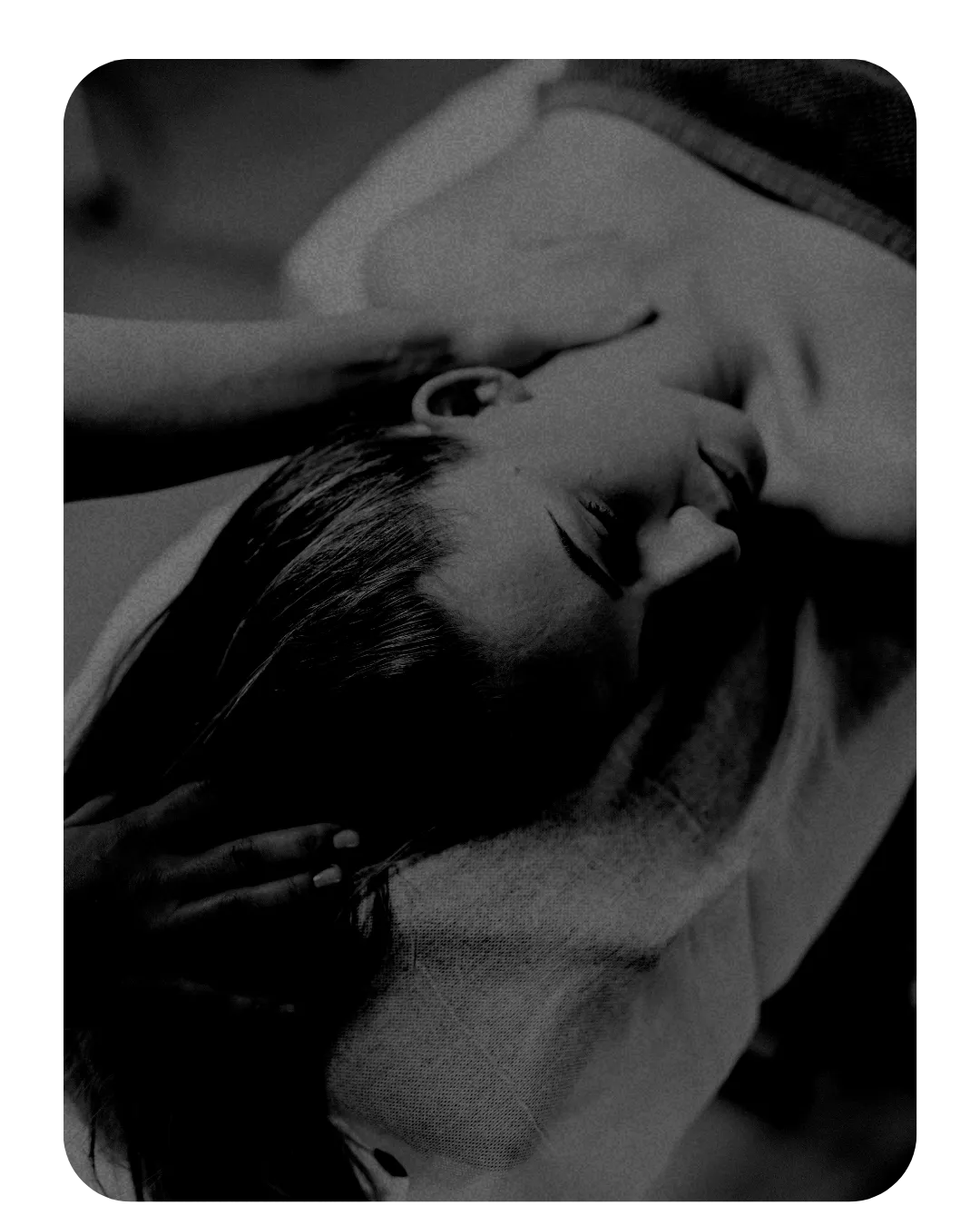
Temporomandibular joint massage therapy focuses on the muscles responsible for jaw movement. By releasing tension in these muscles, strain on the joint is reduced and movement can become smoother and less painful.
Massage therapy improves circulation, reduces muscle tightness and increases flexibility. When delivered with specialist knowledge of jaw anatomy, it directly addresses the muscular causes of temporomandibular joint dysfunction rather than masking symptoms.
This approach is particularly effective for muscle based TMJ disorders, which are the most common form.
The Importance of Dental Expertise in TMJ Treatment
Treating the temporomandibular joint requires precision and detailed anatomical understanding. The muscles involved are small, sensitive and closely linked to dental structures. Without this knowledge, treatment can be ineffective or uncomfortable
.
With over 20 years of experience in dentistry, Emmett Hawkins brings clinical insight that is rare within massage therapy. This background allows temporomandibular joint massage therapy to be delivered safely, confidently and with a clear understanding of how the jaw should function.
Clients often find reassurance in knowing their practitioner understands both the clinical mechanics of the jaw and the therapeutic techniques required to relieve muscle tension.

Temporomandibular Joint Dysfunction and Headaches
Tension headaches are frequently linked to temporomandibular joint dysfunction. Tight jaw muscles can refer pain into the temples, forehead and behind the eyes, leading to persistent headaches that do not respond well to medication.
By addressing jaw muscle tension directly, temporomandibular joint massage therapy can reduce the frequency and intensity of tension headaches, particularly when jaw pain and teeth grinding are also present.
Long Term Management of Temporomandibular Joint Symptoms
Temporomandibular joint dysfunction rarely resolves with a single treatment. Long term improvement comes from identifying patterns and supporting the jaw over time.
Emmett's approach to TMJ pain is a whole body approach in terms of how posture can contribute towards TMJ pain. Emmett utilizes her years of experience and expertise to provide the best care and outcome for each patient.
Clients are encouraged to invest time in self care routines, understanding that small consistent changes can lead to meaningful improvement.

Specialist Temporomandibular Joint Treatment in Cornwall
Access to specialist temporomandibular joint treatment in Cornwall is limited. Emmett Hawkins Massage Therapy provides an accessible alternative for those seeking expert care without long waiting times.
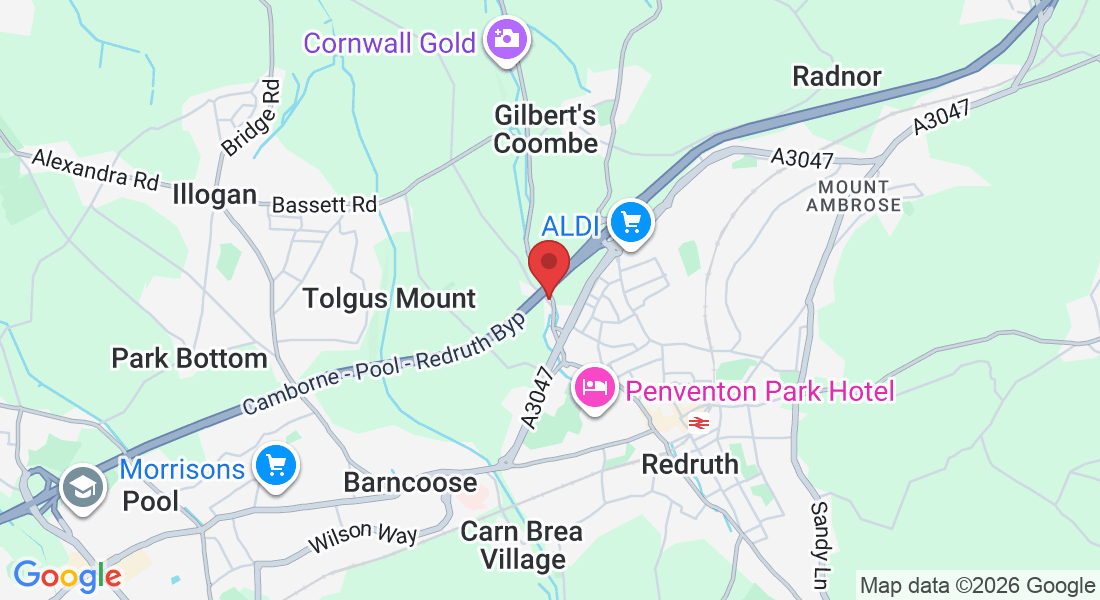
Located in central Cornwall with easy access from the A30, the practice supports clients from Redruth, Truro, Falmouth, Penryn, Helston, Camborne and across the wider South West.
How Does This Affect You?
Living with temporomandibular joint dysfunction can affect comfort, confidence and quality of life. Seeking specialist care allows you to address the root cause of symptoms rather than continuing to manage pain alone.
With the right support, improved jaw movement, reduced pain and greater ease in daily activities are achievable.
Frequently Asked Questions About the Temporomandibular Joint
What is the temporomandibular joint?
It is the joint that connects the lower jaw to the skull and enables movement for speaking, chewing and swallowing.
What causes temporomandibular joint pain?
Common causes include muscle tension, teeth grinding, stress, posture issues and prolonged clenching.
Can massage therapy help temporomandibular joint dysfunction?
Yes. Specialised TMJ massage therapy can reduce muscle tension and improve jaw movement.
Is temporomandibular joint dysfunction permanent?
Many people experience significant improvement with appropriate treatment and self care.
Are headaches linked to temporomandibular joint problems?
Yes. Jaw tension can refer pain into the head and contribute to tension headaches.
Do I need a diagnosis before treatment?
A formal diagnosis is not always required. Assessment during treatment helps determine whether symptoms are TMJ related.
How long does treatment take?
This varies depending on symptoms and contributing factors. Many clients notice improvement over a series of sessions.
Book Your Free Consultation
A no-pressure opportunity to discuss your symptoms and find the right path to relief.
Get In Touch
Email: [email protected]
Address
Business Park, Unit B Jenns, New Portreath Rd, Redruth TR16 4GB
Hours
Mon 3-9
Some Tuesday and Friday 9 - 3
Phone Number:
07810 697 848